
Why the Textile Industry Depends on Accurate Color Measurement
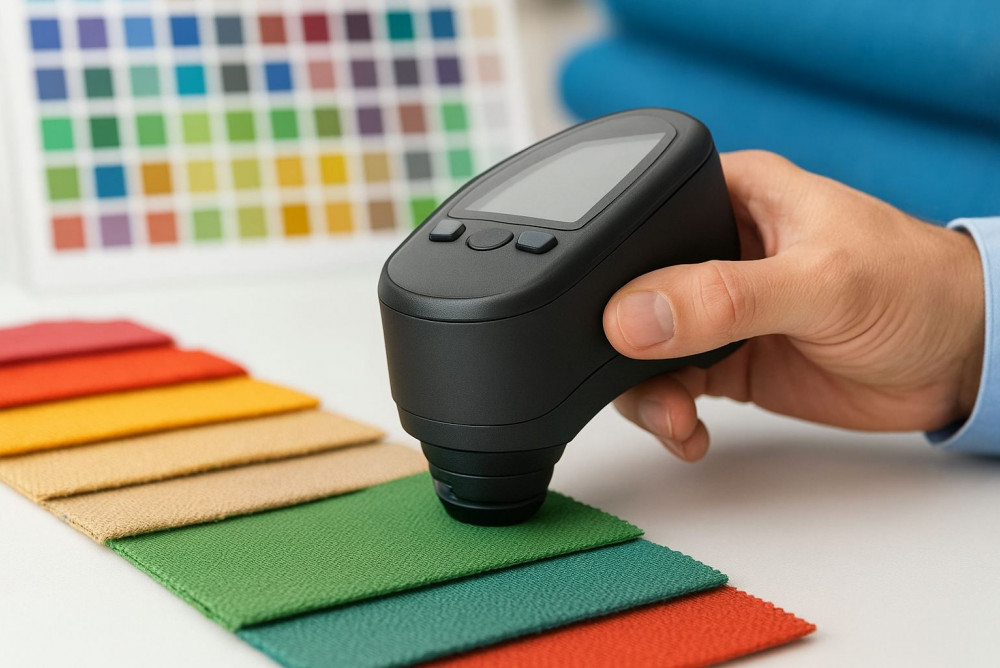
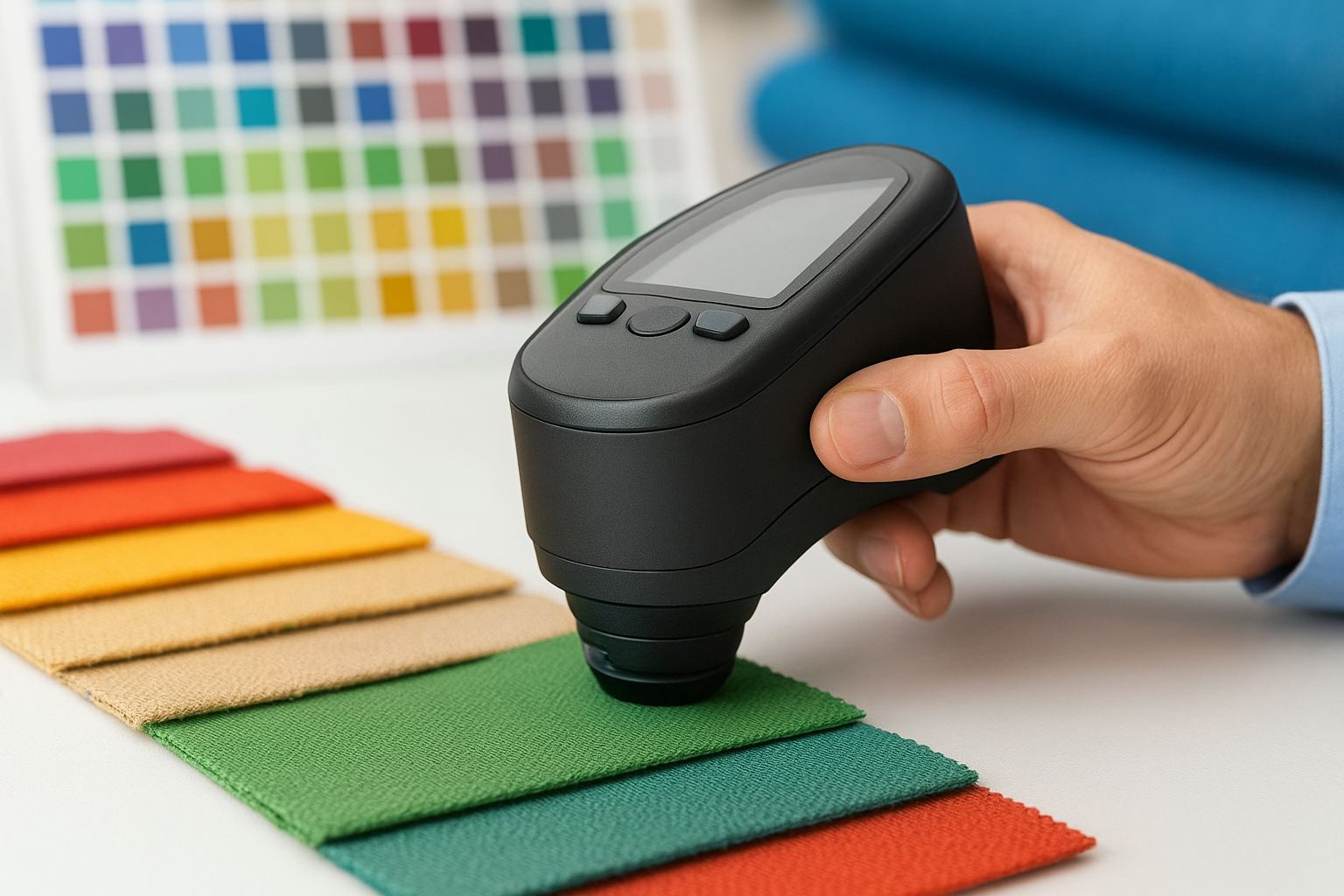
Color defines the identity of a textile product. It influences buying decisions, brand recognition, and customer satisfaction. In a global textile market valued at over $1.5 trillion, even minor color inconsistencies can trigger costly returns and rejected shipments. Brands today expect absolute color accuracy across every production batch.
This expectation creates real pressure for textile manufacturers. Dyeing processes vary with water quality, fabric type, and temperature changes. Human eyes, even trained ones, cannot detect subtle shade differences. Lighting conditions further distort visual judgments. What looks correct in the dyeing lab may appear mismatched in the showroom.
This is why color measurement devices have become essential. They help mills achieve repeatable, objective results. They provide data-driven color control that no human eye can replicate. When brands move toward digital production planning and automated quality checks, precise color data becomes even more valuable.
In recent years, many factories upgraded their labs with instruments such as spectrophotometers and colorimeters. These devices allow teams to measure, compare, and correct color at every stage. They reduce disputes with buyers, shorten approval cycles, and increase production efficiency. More importantly, they help manufacturers maintain consistency in a world where consumers expect perfection.
Color accuracy is not just a technical requirement. It is a competitive advantage. Companies that invest in reliable color management systems improve quality, reduce waste, and strengthen relationships with buyers. As sustainability concerns grow, brands also rely on accurate data to minimize re-dyeing and chemical use. Thus, color measurement devices support both quality goals and environmental responsibility.
Understanding Color Accuracy in the Textile Industry
Color accuracy is the backbone of modern textile production. Markets move fast, and buyers demand uniformity from sample to final bulk production. Even tiny color shifts can turn a perfect order into a rejected one. In some categories, tolerance levels fall within ΔE 0.5–1.0, which is almost impossible to judge by eye alone.
Different fabrics absorb dyes differently. Cotton, polyester, viscose, and blends each react according to fiber composition and finishing treatments. Humidity, dye ratio, and machine speed can shift the final shade. Seasonal temperature changes also influence dye behavior. Without objective data, teams often rely on guesswork and repeated corrections. This wastes time, chemicals, and energy.
Brands now expect exact shade matching across multiple suppliers. A retailer may source fabric in India, trims in China, and final assembly in Vietnam. All teams must follow a shared color standard. Consistency across countries and production floors requires a measurement system that is precise, repeatable, and easy to calibrate.
Human visual evaluation has natural limitations. People perceive color differently based on age, fatigue, or lighting. Surrounding objects also influence perception. Two samples that look identical under daylight may appear different under store lighting. This phenomenon, known as metamerism, is a major cause of quality disputes.
These challenges show why digital color control has become essential. Companies need tools that provide quantifiable data. By understanding exact color values, manufacturers can reduce inconsistencies and standardize results across all stages of development and production.
Key Reasons the Textile Industry Needs Color Measurement Devices
Color measurement devices are no longer optional in modern textile manufacturing. They support quality, efficiency, and brand consistency. Below are the key reasons these devices have become essential tools for factories worldwide.
1. Ensuring Consistent Production Quality
Consistency is the most critical factor in textile coloring. A large order may involve multiple dye lots, each produced on different days or machines. Even slight variations in water temperature, dye concentration, or fabric tension can shift the final shade.
Color measurement devices provide numerical values for each sample. This allows technicians to correct deviations early before fabric reaches finishing or packaging. The result is stable, predictable quality that aligns with brand expectations.
2. Reducing Rejection Rates and Returns
Rejected dye lots impact profitability. A production batch that fails color approval not only wastes time but also increases chemical use and labor hours. Some reports show that color-related issues account for over 50% of fabric rejections in dyeing units.
Spectrophotometers and colorimeters help detect shade variations before bulk production begins. Accurate measurements reduce disputes between suppliers and buyers. This prevents costly delays and stabilizes order cycles.
3. Supporting Global Color Standards
Most international brands use standardized color libraries such as Pantone, NCS, or in-house brand palettes. Production facilities must follow these standards across regions.
Color measurement devices convert visual impressions into precise data. This data ensures that mills in different continents replicate the same shade with accuracy. It strengthens supply chain coordination and ensures final products match the original design vision.
4. Enhancing Efficiency and Speed
Digital color measurement tools shorten approval times. Designers, buyers, and technicians can compare target shades with measured results instantly. Automated color matching software suggests dye recipes based on instrument readings.
This reduces trial-and-error processes and minimizes dye lab iterations. Faster shade approval increases overall productivity and allows companies to respond quickly to market trends.
5. Reducing Environmental Impact
Sustainability is now a core priority in the textile industry. Re-dyeing consumes extra water, chemicals, and energy. Regions with strict environmental regulations also face increased costs for wastewater treatment.
By providing accurate shade readings, color measurement devices help mills achieve the correct color the first time. This leads to fewer corrections, less chemical waste, and more efficient resource use. Improved accuracy aligns with global sustainability goals and eco-label standards
6. Strengthening Buyer Confidence
When manufacturers deliver consistent colors, buyers trust them more. Confidence leads to larger orders, repeat business, and long-term partnerships.
Clear data reduces misunderstandings. Instead of relying on subjective views, teams discuss measurable parameters. This transparency improves communication and strengthens relationships across the supply chain.
Types of Color Measurement Devices and How They Work
Color measurement devices transform visual impressions into precise data. Each device serves a specific purpose based on the level of accuracy needed. Understanding how they work helps manufacturers choose the right tools for their production requirements.
1. Colorimeters
A colorimeter measures color based on how the human eye perceives it. It uses filtered light to capture basic color values and provides quick assessments.
Colorimeters are cost-effective and often used for routine quality checks. They detect significant shade differences but may not perform well with complex patterns or textured fabrics. Their sensitivity is lower than spectrophotometers, making them suitable for simpler applications.
2. Spectrophotometers
Spectrophotometers offer advanced accuracy. They measure the full light spectrum reflected from a fabric and record its color data in precise numerical values. This instrument captures subtle shade shifts that human eyes cannot detect.
Spectrophotometers are essential for dye labs, fabric development teams, and high-precision color matching. They provide repeatable results even when dealing with complex fabrics or challenging dyeing processes. Most global brands rely on spectrophotometer readings before approving bulk production.
3. Portable Color Measurement Tools
Modern portable devices allow technicians to measure colors directly on the factory floor. They are compact, battery-powered, and often Bluetooth-connected.
These tools improve workflow speed by reducing the need to move samples between departments. Some models sync with color-management software for instant comparison with brand standards. They are especially useful in large-scale manufacturing environments.
4. Digital Color Viewing Systems
Color viewing booths simulate controlled lighting environments. This helps teams check sample colors under daylight, fluorescent light, and store lighting conditions.
Viewing systems reduce visual misjudgments caused by metamerism. They create stable conditions for evaluation, ensuring everyone sees samples under identical lighting setups. These booths are critical for quality approvals and buyer communication.
5. Integrated Color Management Software
Software platforms connect instruments, viewing booths, and production databases. They track color history, generate reports, and store approved shade standards.
Integrated systems support real-time decision-making. They help reduce errors and speed up shade matching by offering recommended dye recipes based on measured values. Cloud-based solutions make global collaboration seamless.
Conclusion
Color accuracy has become a strategic advantage in the textile industry. With global supply chains, diverse fabric types, and fast-changing consumer expectations, the margin for error is narrow. Color measurement devices help factories meet strict standards by providing objective, reliable data. These tools reduce waste, increase efficiency, and strengthen brand trust.
As production volumes grow, manufacturers must maintain consistency across every batch. Devices such as spectrophotometers, colorimeters, and viewing booths enable predictable results. Digital color systems improve collaboration between design teams, labs, and bulk production units. This creates a smoother workflow and better business outcomes.
In a competitive market, every detail matters. A mismatch of even a small shade can lead to rejected shipments or lost orders. By using advanced color measurement technology, textile companies gain better control over quality. They deliver products that meet buyer expectations from the first sample to the final shipment.
Sustainability also benefits from improved color accuracy. Fewer corrections mean less chemical use, reduced water consumption, and lower energy costs. This supports environmental goals while keeping production costs under control.
Color is more than an aesthetic feature. It reflects brand identity, product reliability, and commitment to quality. As technology evolves, color measurement devices will continue to play a vital role in shaping the future of textile manufacturing.



-500x500.jpg "Summer Boys' Leisure Print Set Colorful Sports Suit")
-500x500.jpg "Summer Boys' Tank Top Shorts Sports Set")
-500x500.jpg "Summer hollow-knit short-sleeved jumpsuit")
-500x500.jpg "Summer cute cartoon short sleeved climbing suit")
-500x500.jpg "Summer Square Neck Lace Fly Sleeves Baby Rompers")