
Top 10 Second-hand Clothing Markets Worldwide
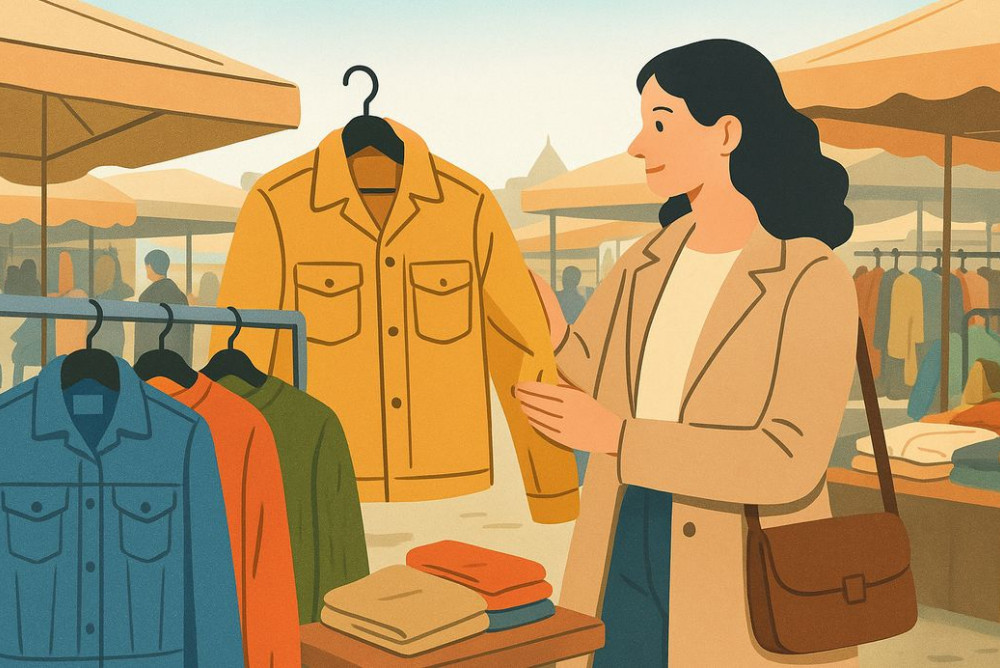
Second-hand fashion has shifted from niche curiosity to a global movement. Consumers now search for clothing that reflects personal style without the environmental burden of fast fashion. This shift is not driven by trends alone. It is powered by data, real economic pressures, and a worldwide push for sustainable consumption.
Global resale fashion grew sharply in the last decade. According to ThredUp’s 2024 Resale Report, the global second-hand market is projected to reach USD 350 billion by 2028, more than double its size in 2023. Younger consumers are leading the change. Around 60% of Gen Z purchase used clothing each year, driven by price, sustainability, and the desire for unique pieces.
Second-hand clothing markets play an essential role in this ecosystem. They offer access to rare vintage garments, local cultural styles, and affordable everyday wear. Many of these markets have existed for decades. Others grew rapidly as the resale economy expanded. Each market has its own rhythm. Some invite travelers into narrow alleys filled with 1970s denim. Others offer curated designer pieces inspected by skilled sellers.
Despite the rise of online resale platforms, physical markets remain unmatched. Shoppers can touch garments, inspect stitching, and negotiate directly with sellers. This creates a buying experience that blends cultural exploration with sustainable fashion.
These markets also support local economies. Many sellers are independent merchants who rely on steady foot traffic. In some regions, second-hand markets help reduce textile waste. Countries like Japan and the Netherlands run sophisticated recycling systems that route high-quality garments back into circulation.
This article identifies the 10 best second-hand clothing markets worldwide. The selections are based on factors such as market size, variety, price range, cultural significance, accessibility, and global reputation. Each destination is described with practical details to help readers shop confidently and sustainably.
Why Second-hand Markets Are Thriving Globally
Second-hand clothing markets have evolved from local trading hubs into global fashion destinations. Their growth is not accidental. It reflects changes in consumer behavior, economic realities, and environmental demands. Each factor contributes to a broader shift in how people view clothing and personal style.
Sustainability Is a Global Priority
Fashion is one of the world’s most resource-intensive industries. The Ellen MacArthur Foundation reports that the sector generates 92 million tons of textile waste each year, with most garments ending up in landfills or incinerators. Consumers have become aware of this impact. They now search for ways to reduce personal waste while still enjoying fashion.
Second-hand markets offer a practical solution. They extend the lifespan of garments and reduce demand for new production. Shoppers can find high-quality clothing without contributing to the environmental burden of manufacturing. This makes buying used both a responsible choice and a rewarding one.
Economic Incentives Are Stronger Than Ever
Price is a major driver in the rise of second-hand shopping. Inflation has pushed clothing costs higher in many countries. In the United States, apparel prices increased around 5% between 2021 and 2023, according to the U.S. Bureau of Labor Statistics. Similar trends appear in Europe and Asia.
Second-hand markets offer significant savings. Many shoppers report paying 50–80% less than retail prices for items in good condition. Vintage denim, leather jackets, and branded streetwear often cost a fraction of their original prices. These savings appeal to both budget-conscious buyers and fashion enthusiasts looking for rare pieces.
Unique Fashion Identity Matters
Modern consumers want clothing that reflects individuality. Mass-produced fast fashion makes this difficult. Second-hand markets, however, provide access to rare pieces, discontinued designs, and vintage items with character. Many travelers visit these markets to find garments unavailable in traditional stores.
For example:
Tokyo’s Shimokitazawa district is known for its curated 1960s–1980s inventory.
London’s Brick Lane offers designer vintage from Burberry, Vivienne Westwood, and more.
Seoul’s Dongmyo attracts younger shoppers seeking streetwear bargains and retro finds.
These markets help people build wardrobes with personality and history.
Circular Fashion Is Becoming Mainstream
Major fashion brands now promote circular practices. Companies like Levi’s, H&M, and Patagonia run take-back or resale programs. This normalizes used clothing and encourages consumers to view second-hand garments as part of a sustainable fashion cycle.
Global resale platforms support the trend. ThredUp, Vinted, and Depop report millions of active buyers. Their popularity fuels interest in physical markets, where shoppers can find similar items without shipping costs or environmental impact.
Travel Culture Fuels Market Popularity
International tourism exposes travelers to unique fashion cultures. Many cities feature second-hand markets as key attractions. Visitors explore these spaces for the thrill of discovery and cultural immersion.
Tourists often seek:
Local vintage styles
Handmade or upcycled pieces
Region-specific clothing such as kimono fabrics, Korean streetwear, or European workwear
This creates global appeal that strengthens market communities and supports local sellers.
Top 10 Best Second-hand Clothing Markets in the World
This chapter explores the world’s most remarkable second-hand clothing markets. Each destination is selected for its scale, reputation, product diversity, and cultural influence. The descriptions balance practical details with insights that help travelers make the most of each visit.
1. Tokyo, Japan – Shimokitazawa Vintage District
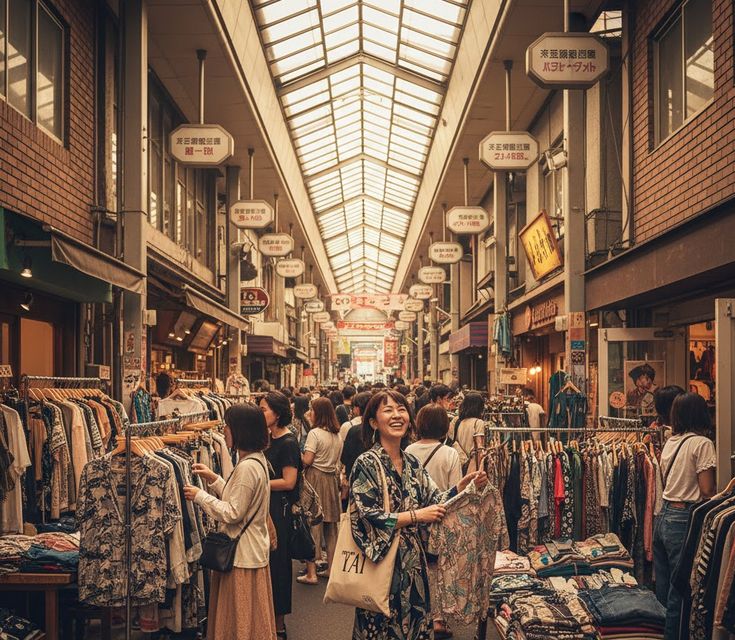
Shimokitazawa is one of Tokyo’s most celebrated thrift destinations. The neighborhood is filled with narrow streets where vintage shops sit beside cafés and small theaters. Many stores specialize in carefully curated styles from the 1960s to the early 2000s.
Prices vary widely. Some shops offer premium vintage denim from Levi’s or Lee at higher rates, while others stock affordable American casual wear sourced from recycling networks across Japan. Tokyo’s advanced textile sorting systems ensure that most items are clean and in good condition. The district attracts both local youth and international travelers searching for distinctive pieces.
Highlights:
Exceptional vintage denim collections
High-quality American and European imports
Safe, walkable streets with strong café culture
2. Bangkok, Thailand – Chatuchak Weekend Market
Chatuchak Weekend Market is one of the largest open-air markets in the world. It hosts more than 15,000 vendors and attracts nearly 200,000 visitors per day during peak weekends. The second-hand clothing zones occupy large sections of the market. Here, shoppers find military jackets, Thai-made streetwear, vintage Levi’s, and even designer surplus.
The market’s climate adds to the experience. The tropical heat encourages fast browsing, so shoppers often move quickly between stalls. Bargaining is common but respectful. Most sellers are open to negotiation as long as buyers remain polite.
Highlights:
Massive size with thousands of clothing stalls
Strong mix of vintage, surplus, and budget-friendly options
Excellent for streetwear and denim hunters
3. London, UK – Brick Lane Vintage Market
Brick Lane is a cornerstone of London’s vintage culture. Its underground halls host dozens of curated vendors offering items from the 1920s onward. Many sellers specialize in British fashion heritage, including trench coats, wool overcoats, and classic tailoring.
Prices are higher than in Asian street markets, but quality control is strong. London’s long-standing vintage scene ensures that vendors understand textile care, authentication, and garment history. Visitors often find well-preserved designer items from brands like Burberry, Paul Smith, and Vivienne Westwood.
Highlights:
Curated vintage with strong British character
Reliable quality and fair pricing for premium items
Close to Shoreditch’s cultural and dining attractions
4. Seoul, South Korea – Dongmyo Flea Market
Dongmyo is popular among young Koreans searching for stylish bargains. The market expanded rapidly after vintage fashion exploded on Korean social media. Today, visitors browse piles of jackets, shirts, and trousers priced far below retail value. Many stalls sell clothing imported from Japan or the United States.
The atmosphere is lively and crowded. Shoppers sift through racks and large bins to uncover hidden gems. Patience often leads to great finds. Many buyers report discovering jackets or sweaters costing less than 10,000 KRW (around 8 USD).
Highlights:
Very affordable prices
Ideal for casual wear and retro streetwear
Constant inventory rotation
5. New York City, USA – L Train Vintage + Brooklyn Flea
New York’s thrift culture blends affordability with iconic urban style. L Train Vintage operates several stores across Brooklyn and Manhattan. Their locations are known for low prices, large inventories, and strong hip-hop and streetwear influences.
Brooklyn Flea complements this experience. The market features vintage clothing vendors who specialize in American workwear, classic denim, and mid-century garments. Many sellers source from estate sales and regional warehouses, offering items with history and character.
Highlights:
Affordable thrift shops mixed with curated flea stalls
Strong denim, workwear, and 1990s streetwear offerings
Distinct New York cultural flavor
6. Paris, France – Marché aux Puces de Saint-Ouen
Saint-Ouen is one of the world’s largest and most famous flea markets. Located in northern Paris, it spans more than 7 hectares and contains over 1,700 vendors. The market is divided into sections. Some feature luxury vintage fashion, while others offer everyday clothing at lower prices.
Parisian vintage stands out for its sophistication. Many vendors curate designer garments from brands such as Chanel, Dior, and YSL. Even non-designer finds often reflect the elegance associated with French fashion.
Highlights:
Historic market with global prestige
Strong designer presence
Excellent destination for high-end vintage collectors
7. Amsterdam, Netherlands – Waterlooplein Market
Waterlooplein Market is the oldest flea market in Amsterdam. It has a friendly, open-air setup near the city center. Many stalls offer second-hand clothing at reasonable prices. Shoppers find denim, work jackets, leather pieces, and retro sweaters.
Amsterdam’s commitment to sustainability supports a healthy resale culture. Many locals donate or sell used garments, creating a steady flow of quality items. The market’s relaxed pace makes browsing enjoyable.
Highlights:
Historic and centrally located
Affordable vintage staples
Strong sustainability culture
8. Mexico City, Mexico – Lagunilla Market
Lagunilla is one of Mexico City’s most dynamic markets. It blends traditional flea stalls with modern vintage vendors who specialize in Latin American retro fashion. Visitors find denim jackets, embroidered clothing, and colorful garments reflecting regional styles.
Many sellers upcycle or repair used clothing before selling it. This adds value and preserves cultural craftsmanship. The market is lively, especially on Sundays, when musicians and performers create a festive environment.
Highlights:
Wide variety of Latin American vintage
Strong handmade and upcycled sections
Vibrant weekend atmosphere
9. Berlin, Germany – Mauerpark Flea Market
Mauerpark is a cultural landmark in Berlin. The flea market draws both locals and travelers every Sunday. Its second-hand clothing stalls offer European workwear, army coats, leather jackets, and unique handmade pieces.
Berlin’s alternative fashion scene gives the market a creative spirit. Many shoppers search for statement pieces that reflect the city’s artistic identity. Prices vary but remain accessible.
Highlights:
Iconic Sunday flea market
Creative, artistic fashion selections
Excellent for vintage outerwear
10. Melbourne, Australia – Camberwell Sunday Market
Camberwell Sunday Market is one of Australia’s most beloved second-hand markets. It hosts hundreds of stalls selling clothing, accessories, and collectibles. Many vendors bring items sourced from estate sales, family closets, or local collectors.
The market is known for its friendly sellers and community-focused atmosphere. Bargains are common, but shoppers must arrive early. Popular items include denim jackets, retro sportswear, and Australian-made vintage garments.
Highlights:
Welcoming community market
Good prices with strong variety
Popular with local stylists and collectors
How to Shop Smarter in Global Second-hand Markets
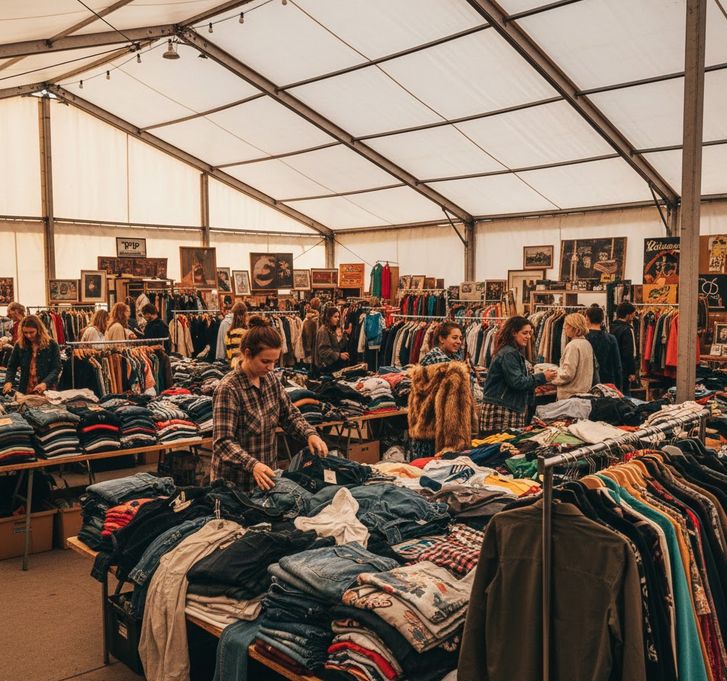
Shopping in second-hand markets can be exciting, but it also requires strategy. Prices, quality, and availability vary widely from one destination to another. A thoughtful approach helps you make better choices, avoid common mistakes, and find garments that last.
Research the Market Before You Go
Each market has its unique layout, culture, and best visiting hours. Some are weekend-only. Others run daily with early-morning peak times. Understanding these patterns improves your experience and increases your chances of finding high-quality items.
Before your visit:
Check the market’s busiest hours
Learn whether bargaining is expected
Research common price ranges
Look up weather conditions for outdoor markets
A little preparation can prevent rushed decisions and help you navigate confidently.
Inspect Garments Carefully
Second-hand items vary in condition. Some look untouched. Others show gentle wear. A few may need minor repairs. Examining garments closely ensures you pay the right price and avoid disappointment.
Key areas to inspect:
Seams: Look for loose stitching or small openings.
Fabric Condition: Check for pilling, fading, or thinning.
Zippers and Buttons: Confirm that closures work smoothly.
Collars and Cuffs: These areas often show the most wear.
Odor: Strong smells may be difficult to remove.
If you spot minor issues, consider using them to negotiate a lower price.
Understand Material Quality
Certain fabrics maintain their structure better than others. Wool, leather, denim, and cotton often age well. Fast-fashion synthetics typically show wear faster. Recognizing durable materials helps you select items that will last.
Examples of strong finds:
Raw or heavyweight denim
Lambskin or cowhide leather jackets
Wool coats with intact lining
Vintage cotton shirts with minimal fade
Quality materials often indicate better construction and longer lifespan.
Know Your Measurements
Sizing differs across regions and decades. A medium from the 1980s may fit differently from a modern medium. Trying items on is always best, but if fitting rooms are unavailable, measurements can guide you.
Measure:
Chest
Waist
Shoulder width
Sleeve length
Inseam
Bring a soft tape measure if you travel often. It helps you make accurate decisions in crowded environments.
Negotiate With Respect
Bargaining is common in many markets, but etiquette matters. Sellers appreciate respectful negotiation. Start with a friendly greeting and propose a reasonable counteroffer. Extreme lowball offers may be rejected quickly.
Simple negotiation tips:
Ask, “Is this your best price?”
Offer 10–20% less than the listed price
Buy multiple items for bundle deals
Smile and maintain polite communication
Positive interactions often lead to better prices.
Bring Cash, but Keep It Secure
Many second-hand markets still operate on cash payments. Having local currency makes purchases smoother. However, keep your money in a secure pouch or zippered bag. Crowded markets can attract pickpockets.
Cash benefits include:
Faster bargaining
No card fees
Sellers may offer discounts for cash
Organize small bills for convenience during negotiations.
Wash and Disinfect Items After Purchase
Even well-maintained second-hand items benefit from cleaning. This preserves the garment and ensures hygiene.
Cleaning tips:
Machine wash cotton and denim on a gentle cycle
Air dry wool, leather, and delicate fabrics
Use fabric disinfectant spray for items that cannot be washed
Take leather pieces to professional cleaners
Proper care helps your items last longer.
Focus on Timeless Pieces
Second-hand markets offer endless variety. While it’s fun to experiment with bold items, choosing timeless garments ensures long-term use.
Timeless categories include:
Denim jackets
Neutral wool coats
Leather boots
Classic shirts
Structured blazers
These staples blend well with modern wardrobes and never lose relevance.




-500x500.jpg "Summer Boys' Leisure Print Set Colorful Sports Suit")
-500x500.jpg "Summer Boys' Tank Top Shorts Sports Set")
-500x500.jpg "Summer hollow-knit short-sleeved jumpsuit")
-500x500.jpg "Summer cute cartoon short sleeved climbing suit")
-500x500.jpg "Summer Square Neck Lace Fly Sleeves Baby Rompers")