Linen Fiber Guide: Properties, Production, and Luxury Fabrics
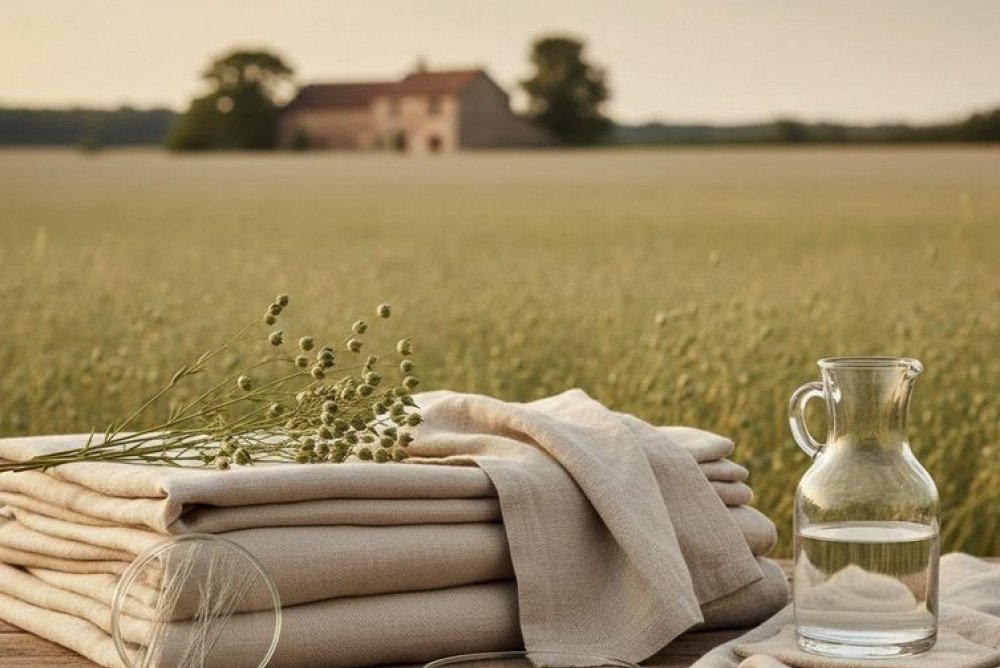
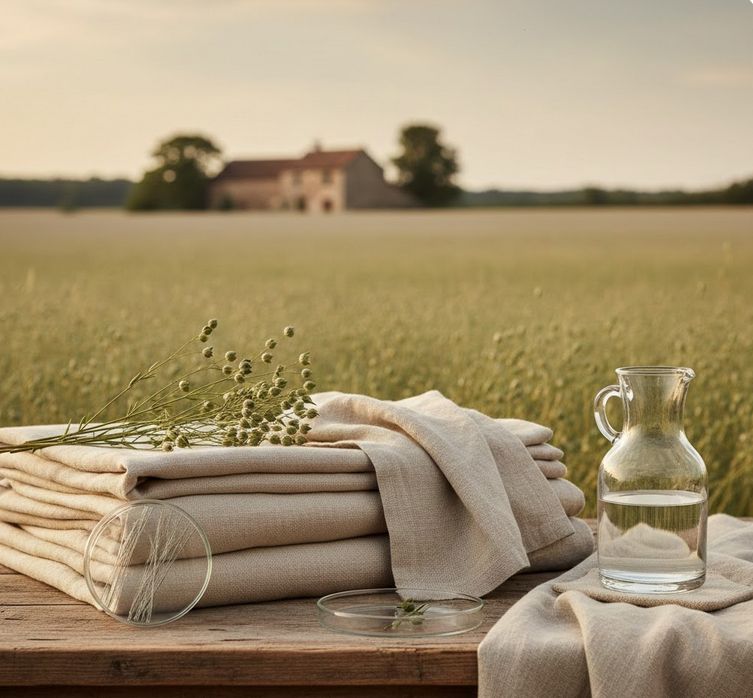
Linen represents one of the oldest textiles in human history. Archaeologists discovered dyed flax fibers in Georgia dating back 30,000 years. This incredible longevity proves its enduring value to civilization. Ancient Egyptians famously called it "woven moonlight" due to its natural sheen.
Today, linen remains a premier choice for luxury and comfort. It is derived from the resilient cellulose fibers of the flax plant. The plant, known scientifically as Linum usitatissimum, thrives in cooler climates. Western Europe currently produces over 80% of the world’s high-quality flax.
Why Linen Matters in the Modern Market
Consumers now prioritize sustainability and textile performance over fast fashion. Linen fits this demand perfectly because it is biodegradable and durable. A linen garment can last for decades if cared for properly. It actually becomes softer and more lustrous with every single wash.
Statistically, flax cultivation requires significantly less water than cotton. The European Confederation of Flax and Hemp (CELC) provides rigorous certification. This ensures that "European Flax" meets strict environmental and social standards. Choosing linen is both a style statement and an ecological decision.
Essential Characteristics at a Glance
Linen is celebrated for its exceptional breathability and moisture-wicking properties. It can absorb up to 20% of its weight in moisture. This keeps the wearer feeling dry and cool in humid weather. Furthermore, the fiber is naturally hypoallergenic and resistant to bacteria.
From Field to Fiber: The Production Process
The journey of linen begins in the vast flax fields of Europe. Flax plants have a short growing cycle of about 100 days. Farmers sow seeds between March and April to ensure optimal growth. The plant reaches maturity when the stem turns a golden yellow.
Harvesting linen is a delicate and specialized agricultural task. Machines do not cut the flax; they pull it by the roots. Preserving the full length of the fiber is essential for quality. Longer fibers result in smoother, stronger yarns for luxury textiles.
The Critical Role of Retting
After harvesting, the flax undergoes a natural process called retting. Farmers spread the stalks across the fields to face the elements. Moisture and bacteria break down the natural "glue" or pectin. This chemical-free process separates the fiber from the woody core.
Standard field retting usually takes between three and six weeks. Weather conditions must be carefully monitored during this crucial period. Too much rain can cause rot, while drought halts the separation. Expertise is required to determine the exact moment the process finishes.
Scutching and Hackling
Once dry, the flax moves to the factory for scutching. Mechanical rollers crush the woody stalks into small fragments. These fragments, called shives, are removed to reveal the inner fibers. Nothing is wasted; shives often become garden mulch or particle board.
| Step | Action | Outcome |
| Pulling | Extracting the whole plant | Preserves fiber length |
| Retting | Exposure to moisture | Breaks down plant pectins |
| Scutching | Mechanical crushing | Separates wood from fiber |
| Hackling | Combing the fibers | Aligns long "line" fibers |
Spinning into Yarn
The refined fibers are then spun into various weights of yarn. Wet spinning involves passing the fiber through hot water troughs. This softens the pectin further, creating a fine, shiny thread. Dry spinning produces a heavier, more textured yarn for upholstery.
The resulting yarn is wound onto bobs for weaving or knitting. European mills maintain a reputation for producing the world’s finest threads. Every step requires precision to maintain the fiber's natural integrity. This labor-intensive cycle explains linen’s status as a premium textile.
Physical and Chemical Properties of Linen
Linen is prized for its technical superiority and distinctive molecular structure. It consists primarily of high-quality cellulose, making it incredibly durable. The fiber’s strength increases by nearly 20% when it is wet. This unique trait allows linen to withstand frequent, rigorous laundering cycles.
Unlike cotton, linen fibers are long, smooth, and slightly polygonal. This shape prevents lint from forming on the surface of the fabric. It also gives the material its famous, subtle natural luster. The lack of elasticity means it does not stretch or lose shape.
Thermal Regulation and Breathability
Linen is a natural insulator that manages body temperature with ease. The fibers are hollow, allowing air and moisture to circulate freely. This high thermal conductivity makes it feel cool to the touch. In winter, the same structure helps retain heat near the skin.
Research shows that linen wearers perspire less than those wearing silk. The fabric can absorb up to 20% of its dry weight in water. It releases this moisture into the air almost instantly through evaporation. This makes it the gold standard for clothing in tropical climates.
Chemical Resistance and Hygiene
Linen possesses remarkable resistance to alkalis and organic solvents. It can endure high temperatures during ironing without sustaining structural damage. The fiber is also naturally resistant to moths and carpet beetles. Furthermore, its low pH balance makes it gentle on sensitive skin.
| Property | Measurement/Effect |
| Tensile Strength | 5.5 to 6.5 grams/denier |
| Moisture Regain | 10% - 12% at standard conditions |
| Elastic Recovery | Very low (causes characteristic wrinkling) |
| Purity | Naturally hypoallergenic and anti-bacterial |
The "wrinkle" in linen is actually a sign of its purity. Because the fibers are stiff, they break rather than bend elastically. Many enthusiasts view these creases as a mark of luxury. It signifies that the garment is made from authentic, untreated plant fibers.
UV Protection and Longevity
Linen provides a natural barrier against harmful ultraviolet (UV) radiation. This adds a layer of protection for the wearer’s skin outdoors. The fiber is also highly resistant to abrasion and pilling. A linen sheet can last for 20 years with proper care.
High-quality linen does not yellow or degrade over long periods. Instead, it becomes whiter and more supple with age and use. This chemical stability ensures the fabric remains a true heirloom item. It is a rare example of a material that improves over time.
Linen Fabrics: Varieties and Modern Applications
Linen's versatility allows it to be woven into many different weights. The weave determines the fabric's final drape, texture, and primary use. Modern technology now allows for blends that combine linen with other fibers. These hybrids often reduce wrinkling while maintaining the linen’s cooling effect.
Common Types of Linen Weaves
Damask linen is the most intricate and luxurious variety available today. It features floral or geometric patterns created on a Jacquard loom. This reversible fabric is a staple for formal tablecloths and napkins. Its dense weave provides a smooth, firm surface that resists stains well.
Plain-woven linen, or "glass cloth," is lightweight and highly absorbent. It is primarily used for kitchen towels and glass-cleaning cloths. The lint-free nature of the fiber leaves glassware sparkling and streak-free. This functionality makes it an essential tool in high-end hospitality.
Huckaback linen features a raised, uneven surface for better absorbency. It is the preferred choice for bathroom towels and spa wraps. The texture provides a gentle exfoliating effect on the human skin. Despite its thickness, it dries much faster than traditional cotton terry.
Modern Industrial and Home Uses
Linen has expanded far beyond the realm of traditional apparel. In interior design, linen upholstery offers a sophisticated, matte finish. It is naturally anti-static, which means it attracts less household dust. Heavyweight linen canvas is also the preferred medium for professional artists.
| Application | Recommended Linen Type | Key Benefit |
| Bedding | Stone-washed Linen | Softness and temperature control |
| Apparel | Light-weight Handkerchief | Maximum breathability for shirts |
| Upholstery | Heavyweight Linen-Cotton | Durability and structure |
| Footwear | Coarse Linen Canvas | Moisture wicking and strength |
High-end designers use "linen jerseys" to create draped, casual silhouettes. This knit version of the fiber offers more stretch than woven cloth. Luxury brands often blend linen with silk for a shimmering finish. These blends are common in summer suiting and evening wear collections.
Linen's role in the "slow fashion" movement cannot be overstated. Consumers appreciate that it does not require synthetic chemical finishes. Its natural tan or "ecru" color is currently a major design trend. Linen remains the ultimate intersection of utility, luxury, and aesthetics.
Sustainability and the Future of Flax
Linen is widely regarded as one of the most sustainable fibers. The flax plant is remarkably hardy and requires very little irrigation. In most European regions, natural rainfall is sufficient for the crop. This stands in stark contrast to the heavy water demands of cotton.
Furthermore, flax cultivation requires minimal use of pesticides or fertilizers. The plant can grow in poor soil conditions where food crops fail. Farmers often use flax in crop rotation to improve soil quality. This practice prevents land exhaustion and maintains local biodiversity.
A Zero-Waste Agricultural Model
One of the most impressive aspects of flax is its zero-waste nature. Every part of the plant is utilized for a specific purpose. The long fibers become high-end textiles for fashion and home. Short fibers are processed into paper, twine, or industrial felt.
Flax seeds are a rich source of healthy Omega-3 fatty acids. They are used in the food industry and for linseed oil production. Even the woody core of the stalk serves a functional role. It is often converted into eco-friendly building materials or animal bedding.
Biodegradability and Circularity
Pure linen is 100% biodegradable and compostable in natural environments. A linen garment will decompose in weeks when buried in soil. This prevents the buildup of textile waste in global landfills. It is a truly circular material that returns to the earth.
| Sustainability Metric | Linen Performance | Environmental Impact |
| Water Usage | Extremely Low | Preserves local water tables |
| Carbon Sinks | High Sequestration | 1 hectare traps 3.7 tons of $CO_2$ |
| Chemicals | Minimal / None | Reduces groundwater pollution |
| Waste | Zero-waste plant | All by-products are marketable |
The future of linen extends into the realm of high-tech engineering. Engineers now use flax fibers to create sustainable bio-composites. These materials are replacing carbon fiber in cars and bicycles. They offer excellent vibration damping and high structural strength.
As the world moves away from plastics, linen offers a solution. Its legacy as a prehistoric fiber ensures its future in modern tech. Choosing linen supports a healthier planet and a more ethical industry. It remains the gold standard for conscious, high-end living.

-500x500.jpg "Summer Boys' Leisure Print Set Colorful Sports Suit")
-500x500.jpg "Summer Boys' Tank Top Shorts Sports Set")
-500x500.jpg "Summer hollow-knit short-sleeved jumpsuit")
-500x500.jpg "Summer cute cartoon short sleeved climbing suit")
-500x500.jpg "Summer Square Neck Lace Fly Sleeves Baby Rompers")