
Soybean Protein Fibers: The Future of Sustainable Textiles
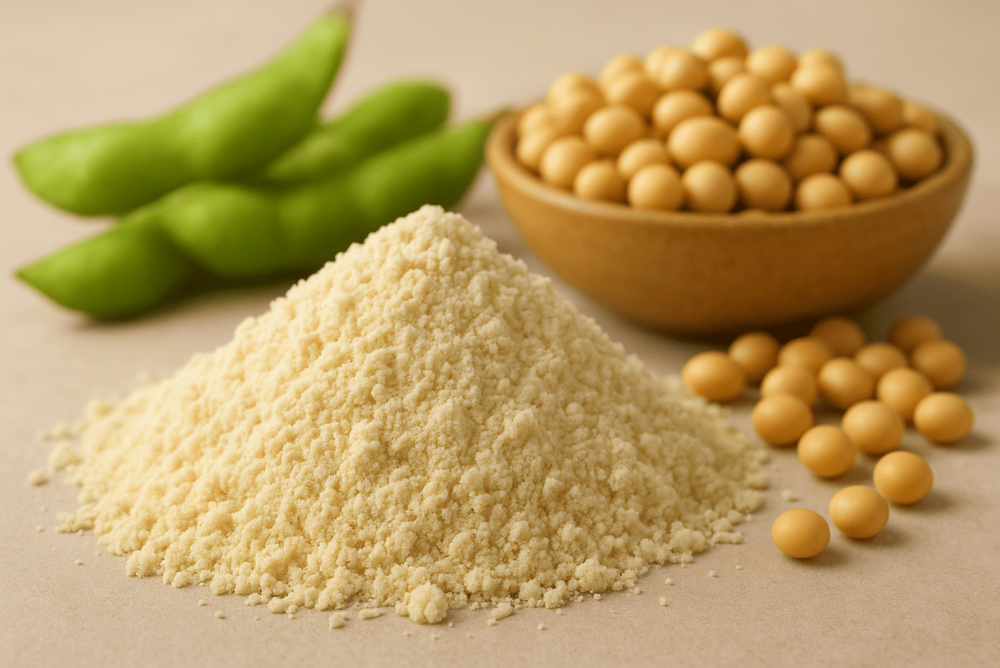
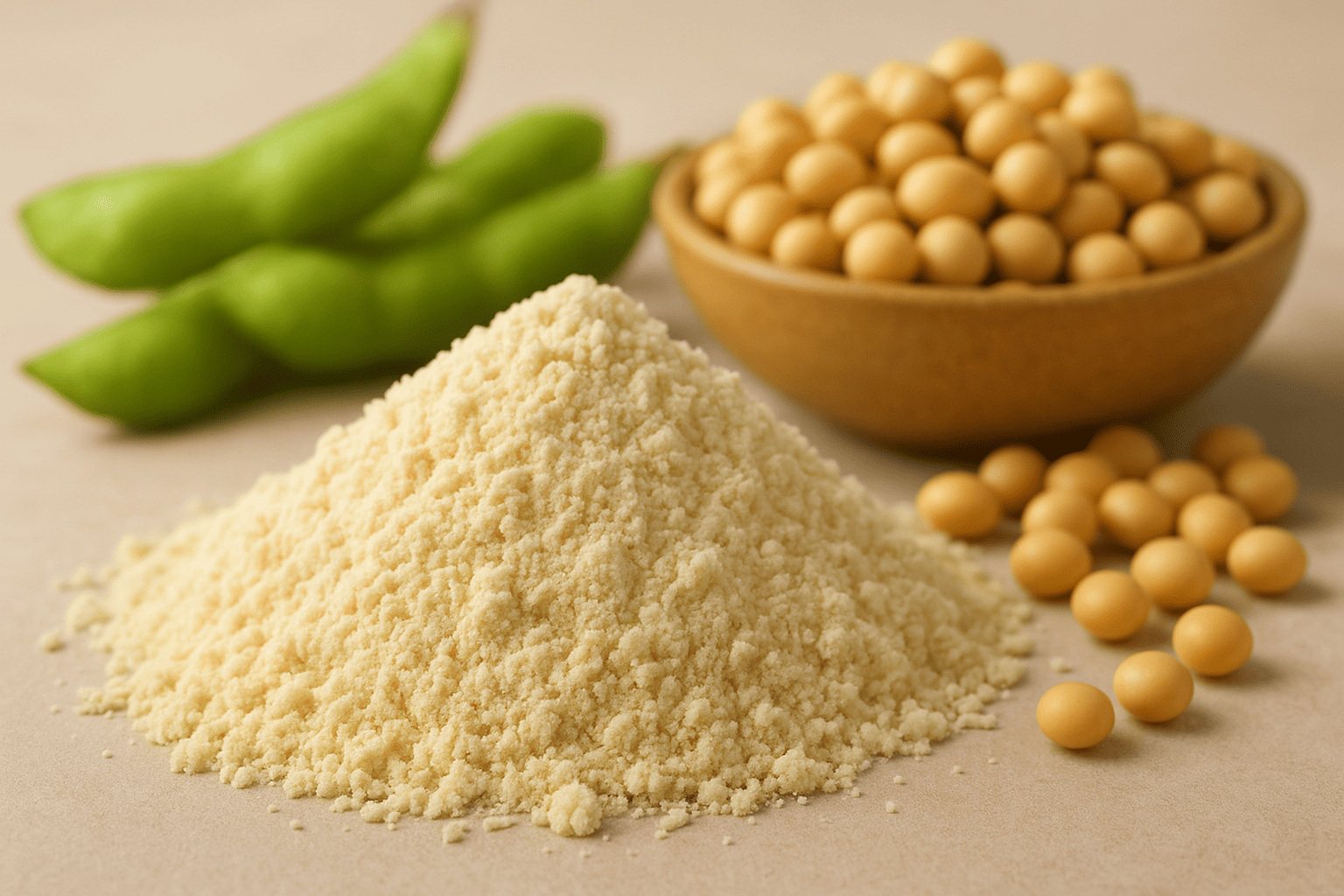
The global textile industry is undergoing a transformation unlike any in its history. For decades, cotton and synthetic materials such as polyester have dominated clothing production. But with environmental concerns escalating and petroleum-based fibers facing growing scrutiny, a new generation of bio-based materials is taking center stage. Among these, soybean protein fibers (SPF) stand out as one of the most promising innovations.
Soybean protein fiber is a regenerated, plant-based material derived from the residual protein of soybeans after oil extraction. Unlike cotton, which requires vast amounts of water, or polyester, which depends on fossil fuels, soybean fibers originate from an abundant, renewable agricultural source. This makes them not only eco-friendly but also highly efficient in terms of raw material utilization — a critical factor in the global shift toward circular fashion.
The need for sustainable textile solutions is pressing. According to the Ellen MacArthur Foundation, the fashion industry is responsible for 10% of global carbon emissions and produces 92 million tons of textile waste each year. At the same time, polyester, the most common synthetic fiber, contributes heavily to microplastic pollution — releasing an estimated half a million tons of microplastics annually into the ocean. In contrast, soybean fibers are biodegradable, breaking down naturally without releasing harmful particles.
This rise of natural, bio-based fibers represents more than a trend; it’s a redefinition of textile ethics and performance. Major apparel brands and research institutions are investing in alternatives that merge sustainability with softness and strength, and soybean protein fibers are increasingly on their radar. Originally developed in the 1930s by Henry Ford, who experimented with soybean-based fabrics for car upholstery, this fiber has seen renewed scientific interest since the early 2000s, thanks to advancements in biotechnology and polymer science.
Today, the global market for bio-based fibers is expected to grow at a CAGR of 8.5% between 2024 and 2030, driven by consumer demand for ethical and sustainable materials. Soybean fibers align perfectly with this movement — offering silk-like texture, antibacterial qualities, and excellent moisture absorption, all while maintaining a low carbon footprint.
Understanding Soybean Protein Fibers — Composition and Core Properties
To appreciate the potential of soybean protein fibers (SPF), it’s essential to understand their scientific composition and physical behavior. These fibers are a product of both agricultural innovation and material engineering — a hybrid that merges nature’s chemistry with human ingenuity.
2.1 Chemical Composition
Soybean protein fibers are primarily composed of soy protein isolate (SPI), which typically contains more than 90% protein content. The main protein fractions in soybeans — glycinin (11S) and β-conglycinin (7S) — form the molecular backbone of these fibers. These proteins are globular in nature and contain functional groups such as amide, hydroxyl, and carboxyl, which allow them to form strong intermolecular hydrogen bonds.
During processing, these proteins are denatured and regenerated, converting their native spherical structure into a long-chain configuration similar to natural fibers like wool or silk. This structural rearrangement gives soybean fibers their silky hand feel, lustrous appearance, and elasticity.
From a molecular perspective, SPF belongs to the family of regenerated protein fibers, comparable to casein fibers (from milk) or corn-based fibers (PLA). However, soybean fibers possess a distinct balance of softness, moisture management, and tensile strength, which sets them apart.
2.2 Physical and Mechanical Properties
Soybean protein fibers are recognized for their unique tactile and performance characteristics. The following properties highlight why they are increasingly regarded as a “plant-based silk.”
| Property | Soybean Protein Fiber (SPF) | Comparison Reference |
|---|---|---|
| Density | 1.29 g/cm³ | Between cotton (1.54 g/cm³) and silk (1.34 g/cm³) |
| Tenacity (Dry) | 2.0–3.0 cN/dtex | Similar to viscose rayon |
| Elongation at Break | 25–35% | Slightly higher than cotton |
| Moisture Regain | 10–15% | Comparable to wool (14–16%) |
| Thermal Resistance | 180–200°C | Excellent for blended fabrics |
| Biodegradability | 100% | Environmentally friendly |
What’s striking about SPF is its moisture absorption. It can absorb and release water vapor efficiently, making garments breathable and comfortable even in humid climates. Unlike polyester, which traps heat, soybean fiber “breathes,” maintaining a natural cooling effect similar to cotton or bamboo fibers.
Moreover, SPF has excellent dye affinity due to the amino acid residues in its molecular chain, allowing rich and vibrant coloration without heavy chemical use. This reduces the environmental burden associated with dyeing synthetic fabrics.
2.3 Functional Qualities
Beyond comfort, soybean protein fibers exhibit functional and biological benefits that add to their commercial appeal:
Antibacterial and Anti-Mildew: Studies have shown that soy protein fibers can inhibit bacterial growth, thanks to the presence of natural amino acids that resist microbial colonization.
UV Resistance: SPF provides 30–50% better UV blocking capacity compared to cotton, making it suitable for summer wear and outdoor apparel.
Hypoallergenic Nature: The absence of harsh synthetic chemicals makes it ideal for sensitive skin or baby clothing.
Softness and Luster: The surface morphology of SPF, observed under electron microscopy, reveals a smooth, rounded structure, responsible for its silky texture and high drapeability.
2.4 Blending Potential
In textile applications, soybean protein fibers are often blended with cotton, silk, wool, or cashmere to enhance performance and cost-efficiency. A 70/30 cotton-SPF blend, for example, combines the strength and breathability of cotton with the luxurious softness of soy.
This blending capability extends the material’s reach beyond apparel — into bedding, upholstery, and technical fabrics. In particular, combining SPF with wool can reduce the itchiness associated with pure wool garments while improving thermal balance.
Manufacturing Process — From Soybean to Sustainable Textile Fiber
The creation of soybean protein fiber (SPF) represents a delicate balance between biotechnology and textile engineering. This process transforms a humble agricultural by-product — soybean meal — into a high-performance, eco-friendly fiber suitable for modern fabrics. To appreciate its value, we must explore each step that turns a plant-based protein into a textile material with the look and feel of silk.
3.1 Raw Material Preparation
The journey begins with defatted soybean meal, the residue left after extracting oil from soybeans. This meal contains about 50% protein, making it an ideal source for fiber production. The goal is to isolate soy protein isolate (SPI), a purified protein with at least 90% protein content.
The process involves:
Defatting: Removing remaining oil using mechanical or solvent extraction.
Protein Extraction: Treating the meal with alkaline water to dissolve the protein.
Precipitation: Adjusting the pH to around 4.5 (the isoelectric point of soy protein) to precipitate out the protein.
Washing and Drying: Removing impurities and drying the precipitated protein into a fine powder.
The resulting soy protein isolate becomes the base material for the fiber-making process.
3.2 Fiber Formation: The Wet-Spinning Technique
Soybean protein fibers are primarily produced through a wet-spinning method, similar to that used for rayon and acrylic fibers. This technique enables precise control over the fiber’s diameter, strength, and texture.
Here’s how it works:
Dissolution and Modification
The soy protein isolate is dissolved in an aqueous alkaline solution, often containing a mild denaturing agent such as urea or calcium thiocyanate. This breaks the protein’s globular structure into linear molecular chains, making it spinnable.Spinning Dope Preparation
Plasticizers and cross-linking agents are added to stabilize the protein chains and improve the mechanical strength of the final fiber. The mixture is stirred and filtered to create a uniform “spinning dope.”Extrusion into Coagulation Bath
The protein solution is extruded through spinnerets (fine holes, typically 50–100 μm in diameter) into an acidic coagulation bath. The bath — usually containing sulfuric acid, sodium sulfate, and formaldehyde — induces coagulation, solidifying the protein into continuous filaments.Drawing and Stretching
These newly formed filaments are drawn (stretched) under controlled heat to align molecular chains, improving tensile strength and elasticity.Neutralization and Washing
The filaments are neutralized in an alkaline solution to remove residual chemicals and then thoroughly washed.Finishing and Cutting
Finally, the fibers are dried, finished with lubricants or softeners, and cut into staple lengths suitable for spinning into yarn.
3.3 Cross-Linking and Functional Modifications
One of the major challenges of early soybean fibers (as in the 1930s Ford experiments) was poor water resistance. When wet, the fibers tended to lose strength. Modern innovations have solved this issue through chemical cross-linking and biopolymer blending.
Cross-linking agents such as epoxy resins, glutaraldehyde, or citric acid create molecular bridges between protein chains, greatly enhancing the fiber’s durability and washability. Recent developments have also explored enzymatic and nanocellulose-based modifications, which improve performance while maintaining biodegradability.
Additionally, surface treatments can add functional properties:
Chitosan coating → enhances antibacterial effects.
Nano-silica or titanium dioxide treatment → improves UV resistance and strength.
Biopolymer blending (e.g., PLA or PVA) → adds flexibility and thermal stability.
3.4 Environmental Considerations
From a sustainability perspective, soybean protein fiber production offers several environmental advantages over petroleum-based fibers.
| Parameter | Soybean Protein Fiber (SPF) | Polyester (PET) |
|---|---|---|
| Raw Material Source | Renewable (soybeans) | Non-renewable (crude oil) |
| CO₂ Emissions | ~50% lower per ton of fiber | High |
| Energy Consumption | Moderate | Very high |
| Biodegradability | Complete in 3–6 months | Non-biodegradable |
| Toxic By-products | Minimal (with proper wastewater treatment) | High (microplastics, VOCs) |
Because the production process uses soybean meal, a by-product of food processing, it creates value from agricultural waste, aligning with global circular economy goals. In addition, modern facilities have developed closed-loop water systems that recycle over 90% of process water, reducing environmental impact further.
3.5 Global Production and Research Trends
China currently leads the world in soybean protein fiber production, accounting for more than 85% of global capacity. Companies such as Shanghai Tanboocel and Soybean Fiber Co., Ltd. have pioneered scalable processes for commercial-grade SPF textiles.
Ongoing research focuses on:
Improving mechanical strength to match polyester.
Developing non-toxic cross-linking methods.
Creating SPF composite materials for technical textiles and biodegradable nonwovens.
Universities and institutes in Japan, South Korea, and the U.S. are also collaborating with textile companies to bring SPF-based fabrics into mainstream fashion and interior products.
3.6 The Human Element: Merging Agriculture with Fashion
Perhaps the most compelling aspect of soybean protein fiber production is its symbolic link between farmers and fashion designers. Each meter of fabric reflects a full-circle system — from crop cultivation to wearable innovation. It represents how sustainability, technology, and craftsmanship can work together to redefine the future of textiles.
Applications and Advantages — The Present and Emerging Uses
Soybean protein fiber (SPF) has evolved from a laboratory experiment into a versatile textile material with a growing presence across fashion, home furnishings, and industrial applications. Its balance of softness, strength, biodegradability, and functional properties makes it a unique bridge between natural and synthetic fibers. This chapter explores how SPF is currently being used, its benefits over traditional materials, and the promising frontiers it may soon conquer.
4.1 Apparel Industry: The “Vegetable Cashmere”
One of the most celebrated uses of soybean protein fiber is in the apparel industry, where it is often marketed as “vegetable cashmere.” The term reflects its luxurious feel — silky, smooth, and gentle on the skin.
Luxury Fashion: Designers are blending SPF with silk, cotton, or wool to create elegant, breathable fabrics. Its natural sheen and soft texture make it ideal for dresses, scarves, and high-end shirts.
Casual and Functional Wear: Due to its moisture-wicking and antibacterial properties, SPF is used in undergarments, yoga wear, and baby clothing. Consumers appreciate the comfort and breathability, particularly in humid climates.
Eco-Fashion Collections: Global brands such as H&M, Patagonia, and Stella McCartney have shown interest in integrating protein-based fibers into their sustainable lines. These collaborations are supported by consumer demand — recent surveys show that 73% of Gen Z shoppers prefer to buy from environmentally responsible brands.
A major advantage for clothing applications lies in SPF’s biocompatibility. It causes fewer allergic reactions than synthetic materials and maintains its drape and softness even after repeated washing. In addition, SPF garments can be dyed at lower temperatures, reducing energy use during production.
4.2 Home Textiles: Comfort Meets Sustainability
Soybean protein fibers are increasingly found in bedding and home furnishings, where comfort, breathability, and natural aesthetics matter most.
Bedding Products: Blankets, sheets, and pillowcases made from SPF blends provide a soft touch similar to silk but at a lower cost.
Curtains and Upholstery: Thanks to their UV resistance and vibrant dyeability, SPF fabrics maintain brightness and texture for longer periods.
Mattress Fillings and Quilts: Soy protein fiber’s resilience and moisture control make it suitable for filling materials. It resists mildew better than cotton and retains shape longer than bamboo fiber.
According to a 2024 report by Grand View Research, the global market for sustainable home textiles is projected to exceed USD 30 billion by 2030, and SPF-based materials are expected to play a key role in that expansion.
4.3 Medical and Personal Care Textiles
Because soybean protein fibers are biodegradable, non-toxic, and skin-friendly, they are well-suited for medical and hygiene products. Their amino acid composition closely resembles that of human skin, promoting comfort and biocompatibility.
Current and emerging uses include:
Medical dressings and wound care pads, leveraging SPF’s antibacterial nature and moisture control.
Disposable hygiene products, such as biodegradable wipes or sanitary materials, as eco-friendly replacements for polypropylene.
Skincare textiles, like pillow covers and masks infused with amino acids that support skin hydration.
These applications are supported by studies in biopolymer research showing that SPF promotes cell adhesion and inhibits bacterial growth, making it ideal for contact surfaces.
4.4 Industrial and Technical Applications
Beyond fashion and comfort, soybean protein fibers are finding a place in technical and industrial textiles where biodegradability and sustainability are valued.
Nonwoven fabrics for agriculture, packaging, or filtration systems.
Composite reinforcement materials, where SPF is blended with PLA or PVA for enhanced flexibility.
Acoustic and thermal insulation — thanks to its low density and natural porosity.
For instance, SPF-reinforced composites have shown 20–30% improved tensile strength compared to pure PLA films, according to a 2023 study by the Journal of Applied Polymer Science. This opens doors to biodegradable packaging, eco-friendly construction materials, and even automotive interior fabrics, reconnecting with Henry Ford’s original concept.
4.5 Environmental and Economic Advantages
Soybean protein fiber offers a remarkable sustainability profile that benefits both the planet and producers:
Full Biodegradability: SPF decomposes within 3–6 months under natural conditions, leaving no microplastic residue.
Carbon Efficiency: Its lifecycle carbon emissions are roughly 50% lower than polyester and 30% lower than viscose rayon.
Resource Utilization: It transforms soybean meal, an agricultural by-product, into a high-value textile material — contributing to the circular economy.
Reduced Chemical Load: SPF production requires less dye, less energy, and fewer toxic additives than petroleum-based fibers.
Economically, soybean protein fiber leverages the global abundance of soybeans. The U.S., Brazil, and China collectively produce over 350 million metric tons of soybeans annually, ensuring a stable raw material supply. This accessibility makes SPF a scalable solution, not just a niche innovation.
4.6 Challenges in Application
Despite its potential, SPF faces several practical limitations:
Moderate mechanical strength compared to polyester and nylon.
Production cost, which remains higher due to limited industrial scaling.
Moisture sensitivity, though largely mitigated by modern cross-linking and finishing processes.
However, ongoing R&D continues to close these gaps. Blending SPF with high-strength biopolymers or applying nano-coatings can enhance durability without sacrificing sustainability.
In essence, soybean protein fiber represents the convergence of science, ethics, and design. It meets the aesthetic and performance demands of modern consumers while addressing the urgent need for low-impact materials. As global industries push toward carbon neutrality, SPF stands poised to become a mainstay of sustainable innovation — from clothing to composites.
Future Outlook — How Soybean Protein Fibers Could Transform the Textile Industry
As sustainability becomes a defining force across global manufacturing, soybean protein fibers (SPF) are gaining recognition not just as an alternative but as a potential cornerstone of the next-generation textile economy. The fusion of agricultural innovation, green chemistry, and material science positions SPF as a transformative fiber capable of reshaping how the industry defines luxury, performance, and responsibility.
5.1 The Next Evolution: Bioengineering and Smart Materials
Future advancements in biotechnology will be central to unlocking the full potential of soybean fibers. Scientists are now exploring genetic engineering of soy proteins to tailor specific amino acid sequences that enhance fiber strength and elasticity.
For instance:
Research teams in Japan and China have developed modified soy protein with 15–20% higher tensile strength, approaching that of commercial viscose.
Through enzyme-assisted polymerization, scientists can now achieve better chain alignment during spinning, creating smoother, more resilient fibers with improved moisture resistance.
Emerging work in smart textiles is also paving the way for SPF’s next leap. Because soy proteins can bind with metallic nanoparticles and bioactive compounds, future SPF fabrics may integrate:
Temperature-regulating microcapsules for adaptive comfort.
Self-cleaning coatings using natural photocatalysts.
Nutrient-infused fibers that release amino acids beneficial to the skin.
These innovations could place SPF at the forefront of functional and intelligent textile design, blurring the line between fabric and living material.
5.2 Sustainable Manufacturing Ecosystem
The shift toward closed-loop production will define the commercial viability of SPF. Several manufacturers are already experimenting with enzymatic processing to replace harsh chemical coagulation baths, significantly reducing environmental load.
Key developments include:
Green solvents such as ionic liquids to dissolve and regenerate soy protein without releasing pollutants.
Circular water systems that recycle up to 95% of process water.
Zero-waste frameworks, where by-products from spinning and finishing are converted into biomass feedstock or bioenergy.
In future, soybean protein fiber plants could be co-located with soybean oil mills, creating integrated facilities that turn agricultural by-products into textiles on-site. This would drastically cut transportation emissions and enhance regional sustainability.
5.3 Integration into Circular Fashion
Global apparel brands are accelerating their transition to circular fashion models. In this paradigm, every product is designed for reuse, recycling, or biodegradation — and soybean protein fibers fit perfectly into that narrative.
SPF fabrics decompose naturally without toxic residue, providing a genuine end-of-life solution for garments. Combined with bio-based dyes and compostable accessories, a full soybean-derived garment could eventually return to the soil as organic matter — completing a closed biological loop.
Moreover, consumers are increasingly valuing transparency. Brands that adopt SPF can credibly communicate traceable sourcing, low carbon emissions, and ethical production, aligning with sustainability standards like the Global Organic Textile Standard (GOTS) and OEKO-TEX® certification.
According to McKinsey’s State of Fashion 2025 report, sustainability-focused brands are projected to grow twice as fast as those relying on conventional materials. This trajectory provides a clear incentive for wider SPF adoption in mainstream fashion.
5.4 Market Forecast and Industry Potential
While soybean protein fiber remains a small segment of the textile market today, its growth trajectory is strong. In 2024, SPF’s global production volume was estimated at around 10,000–15,000 tons, primarily concentrated in China. However, the market is projected to expand significantly as environmental regulations tighten.
Forecast Highlights (2025–2035):
Global SPF Market CAGR: 8.8% (Grand View Research, 2024)
Asia-Pacific Market Share: Over 70%, led by China, Japan, and South Korea
Key Growth Drivers: Bio-based fiber demand, plastic regulation policies, and green procurement programs in the EU and U.S.
Projected Market Size: USD 550 million by 2035, up from about USD 190 million in 2024
Strategic partnerships between universities, agricultural cooperatives, and fashion houses are expected to accelerate scalability. The U.S. Department of Agriculture has also signaled support for bio-based textile innovation grants, which could make SPF a significant export product by 2030.
5.5 Overcoming Barriers: Cost, Scale, and Consumer Awareness
Despite its promise, SPF must overcome practical barriers before achieving mass adoption.
Cost Competitiveness:
Current SPF production costs are about 20–30% higher than polyester, largely due to smaller-scale operations and specialized processing steps. However, as production scales and enzymatic technologies mature, costs are expected to fall.Durability Concerns:
New formulations, such as soy–polyamide and soy–PLA composites, are addressing SPF’s moderate tensile strength, expanding its range of applications beyond apparel.Consumer Awareness:
Although eco-consciousness is rising, many consumers still lack familiarity with plant-based protein fibers. Effective marketing, emphasizing SPF’s “vegetable cashmere” identity and biodegradability, will play a key role in mainstream acceptance.
When these challenges are addressed, SPF could move from a niche textile to a mainstream sustainable standard, competing directly with viscose, lyocell, and recycled polyester.
5.6 A Vision for 2035 and Beyond
By 2035, the textile landscape will likely look very different. Bio-based fibers could account for over 25% of all global fiber production, according to the Textile Exchange 2030 Roadmap. Within that share, soybean protein fiber has the potential to become a core sustainable material, thanks to its scalability and compatibility with global agricultural supply chains.
In this vision of the future:
Farmers supplying soybeans for oil could earn additional revenue streams from the fiber-grade protein by-product.
Textile factories would operate within carbon-neutral, zero-waste ecosystems.
Consumers could wear garments that are not only stylish and comfortable but entirely biodegradable.
Soybean protein fiber could thus symbolize the reconnection of industry with nature — proof that the world can create high-performance textiles without harming the planet.
Conclusion
Soybean protein fibers have come full circle — from Henry Ford’s early experiments to modern high-performance sustainable textiles. They embody the very essence of innovation with purpose, uniting the worlds of agriculture, science, and fashion.
As the industry pursues carbon neutrality and ethical sourcing, SPF offers a tangible path forward. It proves that sustainability need not compromise luxury or performance. Instead, it redefines both.
In the coming decades, the success of soybean protein fibers will depend not just on science or technology, but on collective intent — an industry-wide commitment to building a textile future rooted in renewability, responsibility, and respect for the Earth.




-500x500.jpg "Summer Boys' Leisure Print Set Colorful Sports Suit")
-500x500.jpg "Summer Boys' Tank Top Shorts Sports Set")
-500x500.jpg "Summer hollow-knit short-sleeved jumpsuit")
-500x500.jpg "Summer cute cartoon short sleeved climbing suit")
-500x500.jpg "Summer Square Neck Lace Fly Sleeves Baby Rompers")