
Loom Brake Systems in Weaving: Types, Functions, and Future Trends
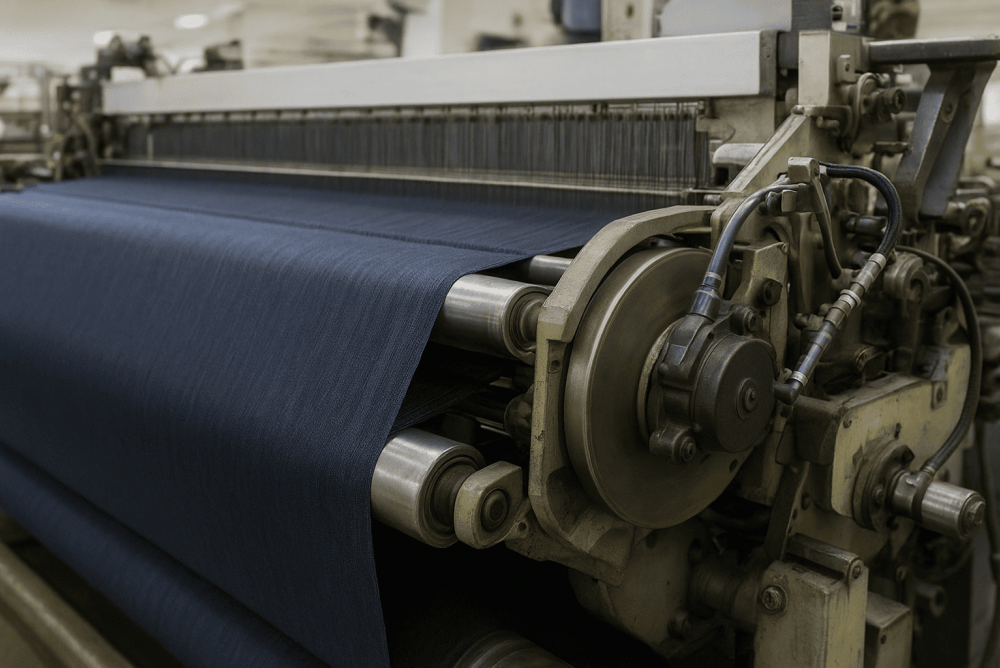

Weaving is one of the oldest and most vital processes in the textile industry. While many people focus on the yarn or the fabric produced, fewer recognize the critical role of machine components that ensure weaving efficiency and product quality. One such component is the loom brake system.
A loom brake is a device that controls the motion of a weaving machine by providing precise stopping power. Its primary function is to halt the loom immediately when needed, preventing fabric defects and ensuring operator safety. In modern high-speed looms, where machines can reach speeds of 600–800 picks per minute, the brake must perform with exceptional accuracy. Even a delay of a fraction of a second could lead to damaged fabric or wasted material.
Historically, loom brakes were simple mechanical systems using friction pads or bands. With technological progress, advanced braking mechanisms, such as electromagnetic and pneumatic brakes, have become common in weaving mills. These developments not only enhance efficiency but also reduce wear and tear on the machinery.
The significance of loom brakes extends beyond machinery performance. They play a decisive role in textile quality control. For example, when a yarn break occurs, the loom must stop instantly. If the brake fails to respond quickly, the defect may spread across several meters of fabric, leading to financial loss.
Moreover, loom brakes contribute to workplace safety. Weaving machines are heavy, high-speed equipment. Without a reliable braking system, accidents could result in severe injury. According to industry safety reports, improper braking systems account for a measurable percentage of loom-related injuries worldwide.
As textile manufacturing shifts towards automation and high productivity, the loom brake system has evolved into a sophisticated engineering solution. Understanding how it works, the different types available, and its impact on weaving efficiency provides valuable insight for manufacturers, machine operators, and textile engineers alike.
Understanding the Role of Brakes in Weaving Machines
In any weaving machine, uninterrupted motion is crucial for productivity. However, stopping that motion with precision is just as important. This is where the loom brake system plays its central role. To understand why brakes matter, it helps to look at the entire weaving cycle.
A weaving machine performs repetitive motions at high speeds. The warp threads remain stretched, while the shuttle, rapier, or projectile carries the weft yarn across. During this process, any irregularity—such as a broken warp or an uneven tension—requires the loom to stop immediately. If the machine continues even for one more second, defects accumulate, producing flawed fabric that may be unsellable.
The loom brake ensures this immediate halt. Unlike the brakes in a car, which focus mainly on safety, loom brakes must balance precision, fabric protection, and operator safety. When the stop motion of the loom detects an issue—say, a yarn break—the brake engages instantly, locking the loom’s moving parts in place.
Why Timing Matters
The timing of brake engagement is critical. In a typical air-jet loom, which can reach speeds up to 1,500 insertions per minute, the loom’s moving mass is significant. If the brake system lags by even 100 milliseconds, the shuttle or air jet could carry the weft farther than intended, causing multiple picks of defective fabric. For a large textile mill producing thousands of meters of cloth daily, such errors translate into considerable losses.
Protecting Fabric Integrity
Brakes are also tied directly to fabric quality. When a loom is stopped without an efficient brake, the machine may overshoot or cause slackening of warp threads. This creates unwanted gaps, uneven picks, or distortions in the weave. A well-calibrated brake, on the other hand, halts the loom in a controlled manner, preserving fabric structure.
Ensuring Operator Safety
Weaving machines are powerful and dangerous if left uncontrolled. Brakes safeguard workers by ensuring that the loom’s heavy parts stop instantly when emergency buttons are pressed. According to occupational safety data, quick-stop systems significantly reduce risks of hand and arm injuries in weaving operations.
Supporting Automation
Modern textile factories rely on automation and electronic sensors to monitor loom performance. The brake system is integrated into this network, responding automatically when sensors detect problems. Without dependable braking, automation would be incomplete, as machines could not react to issues in real time.
Types of Loom Brakes: Mechanical vs. Modern Systems
Not all loom brakes are built the same. Over time, braking systems have evolved from simple mechanical devices to sophisticated, electronically controlled mechanisms. Each type of brake offers unique benefits and limitations, making the choice of system dependent on loom design, production needs, and cost considerations.
1. Mechanical Brakes
Mechanical brakes were the earliest systems used in weaving machines. They rely on frictional force to stop the loom. Typically, they include brake shoes, bands, or pads that press against a drum connected to the loom’s rotating parts.
Band Brakes: A steel or fabric band wraps around a drum. When tension is applied, friction slows and stops the loom. These are common in older shuttle looms.
Shoe Brakes: Similar to automobile drum brakes, brake shoes press against a rotating surface to create stopping force.
Advantages:
Simple construction
Low cost
Easy to maintain
Limitations:
Slower response time compared to modern systems
Wear and tear on friction surfaces
Less effective at very high loom speeds
Despite their drawbacks, mechanical brakes are still found in many traditional mills, especially where older shuttle looms remain in service.
2. Electromagnetic Brakes
Electromagnetic brakes use magnetic force instead of physical friction to stop the loom. When current flows through a coil, it creates a magnetic field that locks the moving parts.
Advantages:
Very fast response time
Reduced wear compared to friction systems
Precise stopping, even at high speeds
Limitations:
Higher cost
Requires stable electrical supply
More complex installation and repair
These brakes are widely used in modern rapier and projectile looms, where speed and precision are critical.
3. Pneumatic Brakes
Pneumatic systems rely on compressed air. When the brake is engaged, air pressure activates pistons that press brake pads against a drum or disc.
Advantages:
Strong braking force
Can be integrated with other air-driven systems in looms
Durable under heavy use
Limitations:
Dependent on compressed air supply
Slower than electromagnetic brakes in some cases
Requires regular maintenance of air lines and valves
Pneumatic brakes are common in air-jet looms, which already use compressed air for weft insertion.
4. Hydraulic Brakes
Though less common in weaving, some heavy-duty looms use hydraulic brakes for strong, consistent braking force. These systems use pressurized oil to actuate brake pads.
Advantages:
Powerful braking suitable for large looms
Smooth and controlled operation
Limitations:
High installation and maintenance cost
Risk of oil leaks, which could contaminate fabric
5. Hybrid Systems
Modern weaving machines increasingly use hybrid brake systems, combining electromagnetic and pneumatic mechanisms. This allows looms to achieve both rapid response and strong stopping force.
For example, a Picanol Optimax-I rapier loom employs advanced electronic control for braking, ensuring that the loom halts within milliseconds of detecting a yarn break. This hybrid approach reduces fabric waste while enhancing machine longevity.
Comparison Snapshot
| Brake Type | Speed Response | Maintenance | Cost | Common in Loom Type |
|---|---|---|---|---|
| Mechanical | Slow–Moderate | Easy | Low | Shuttle looms |
| Electromagnetic | Very Fast | Moderate | High | Rapier, projectile looms |
| Pneumatic | Fast | Moderate | Medium | Air-jet looms |
| Hydraulic | Moderate–Fast | Complex | High | Heavy industrial looms |
| Hybrid Systems | Very Fast | Complex | High | Modern automated looms |
How Loom Brakes Work: Mechanism and Principles
A loom brake system is more than a stopping device. It is an engineered control mechanism that synchronizes with the loom’s moving parts to ensure precision halting. To understand its working principle, we need to look at the sequence from detection to braking.
Step 1: Detection of a Stop Condition
Modern looms are equipped with stop motions. These are sensors or mechanical triggers that detect problems such as:
Warp thread breakage
Weft insertion failure
Shuttle misplacement
Emergency stop activation by the operator
Once a stop condition is identified, a signal is immediately sent to the braking system.
Step 2: Activation of the Brake
The activation process depends on the type of brake system:
Mechanical brakes: Springs or levers engage pads or bands against a rotating drum.
Electromagnetic brakes: An electrical current excites a coil, generating magnetic force that locks moving components.
Pneumatic brakes: Compressed air pushes pistons, forcing pads against a disc or drum.
Hybrid brakes: Combine quick electronic triggering with strong pneumatic or mechanical force.
The activation must be nearly instantaneous. In advanced looms, this occurs within tens of milliseconds.
Step 3: Application of Friction or Magnetic Force
Once engaged, the brake applies controlled resistance to the loom’s rotating parts. The key principle here is conversion of kinetic energy into heat or magnetic force absorption. The loom’s moving mass, which includes gears, rollers, and the shuttle or rapier, slows down rapidly until it reaches a complete stop.
Step 4: Precise Positioning
Stopping a loom is not only about halting motion but doing so at the correct angular position. For instance, if the loom stops mid-cycle, warp tension can be disturbed, or the shuttle may remain inside the shed, creating risk for restart. Advanced systems incorporate position sensors that ensure the loom halts at a safe, predefined position.
Step 5: Release and Reset
Once the issue is resolved, the brake is released, and the loom resumes its cycle. In electronic systems, this release is controlled through the loom’s central processor, which coordinates brake disengagement with drive motor restart.
Example: Air-Jet Loom Brake Sequence
In an air-jet loom running at 1,200 picks per minute:
A weft yarn fails to insert correctly.
Optical sensors detect the fault within microseconds.
An electronic signal triggers the electromagnetic brake.
The brake halts the loom’s rotating shaft within 50–80 milliseconds.
The loom positions itself safely, preventing further fabric damage.
This level of speed and precision highlights why braking is a critical part of weaving machine engineering.
Key Principles in Brake Performance
Speed of Response: The quicker the brake engages, the fewer defects occur.
Consistency: The brake must stop the loom in the same manner each time.
Durability: Continuous high-speed braking requires materials that resist wear and overheating.
Integration: Brakes must work seamlessly with sensors, drive motors, and control software.
Importance of Loom Brake Performance in Textile Quality and Safety
The effectiveness of a loom brake system has direct consequences on both the quality of woven fabric and the safety of machine operators. In weaving, fractions of a second determine whether a machine produces flawless cloth or costly waste. A reliable brake system ensures that precision is maintained while also protecting workers in high-speed environments.
1. Impact on Fabric Quality
Weaving is a continuous process that depends on rhythm and synchronization. Any irregularity, even momentary, disrupts fabric consistency.
Defect Prevention: When a warp or weft thread breaks, the brake must stop the loom instantly. A delay can create floats, gaps, or broken patterns extending across meters of fabric. In mills producing premium textiles such as silk or technical fabrics, a single defect can render a whole roll unsellable.
Tension Control: Brakes also prevent uneven warp tension during stoppage. A loom that stops abruptly without controlled braking may loosen threads, leading to weave distortion once the machine restarts.
Precision Positioning: In advanced looms, brakes ensure that machines stop at a fixed angular position. This avoids situations where the shuttle or rapier halts mid-shed, which could damage yarns or compromise restart accuracy.
For perspective, a defect occurring at a speed of 1,000 picks per minute can spread over 16 picks in a single second. Without immediate braking, such defects accumulate rapidly, resulting in expensive rework.
2. Influence on Production Efficiency
A well-functioning brake not only safeguards fabric but also boosts productivity.
Reduced Downtime: Quick and consistent braking shortens the time needed to address stoppages. Operators can fix issues faster and resume production.
Lower Material Waste: Reliable brakes minimize fabric loss during errors, improving yield per loom.
Machine Longevity: Smooth braking reduces shock loads on gears and shafts, extending loom lifespan.
Studies from textile engineering institutes suggest that optimized brake systems can reduce fabric waste by up to 20%, translating to significant savings in large-scale operations.
3. Contribution to Operator Safety
Weaving machines are heavy, fast, and hazardous if not properly controlled. Brakes are the primary safety mechanism protecting workers.
Emergency Stops: Operators rely on instant brake engagement when hitting an emergency stop button. A lagging brake could expose them to moving parts or flying shuttles.
Accident Prevention: In older shuttle looms, poorly maintained brakes have been linked to shuttle fly-out accidents, which can cause severe injuries. Modern braking systems greatly reduce such risks.
Workplace Confidence: A dependable brake system allows operators to work with confidence, knowing the machine will respond immediately in dangerous situations.
According to textile safety reports, facilities that upgraded to modern electromagnetic brake systems recorded a notable drop in loom-related accidents compared to those using outdated mechanical brakes.
4. Role in Modern Automation and Compliance
As weaving mills adopt Industry 4.0 principles, brakes integrate with digital monitoring systems. This ensures:
Automated quality control, stopping looms at the first sign of error.
Compliance with safety standards, which increasingly demand rapid-stop mechanisms.
Worker protection regulations, especially in countries where textile industries are tightly monitored for occupational hazards.
Challenges, Innovations, and Future Trends in Loom Brake Systems
The textile industry continues to demand faster, more efficient, and safer weaving machines. Loom brake systems, though often overlooked, face unique challenges in meeting these expectations. Understanding current limitations and upcoming innovations provides insight into how braking technology will evolve alongside modern weaving.
1. Key Challenges in Loom Brake Systems
High-Speed Operation:
Modern looms, such as air-jet and rapier models, operate at 1,000–1,500 picks per minute. Brakes must stop machines within milliseconds, yet high inertia makes this technically demanding.Wear and Maintenance:
Friction-based systems suffer from pad and drum wear, requiring frequent adjustments. In mills running 24/7 production cycles, downtime for maintenance directly affects profitability.Heat Generation:
Repeated braking at high speeds converts kinetic energy into heat. Excess heat can damage brake components, shorten lifespan, or even affect nearby machine parts.Energy Efficiency:
Traditional braking methods waste energy as heat. In an industry focused on sustainability, energy recovery is becoming a priority.Integration Complexity:
As looms adopt automation, brakes must integrate seamlessly with sensors, drives, and software. Outdated systems are often difficult to retrofit with modern digital controls.
2. Innovations in Loom Brake Technology
Electromagnetic and Eddy Current Systems:
These brakes minimize physical wear and provide ultra-fast stopping times. Advanced eddy current brakes allow for non-contact braking, reducing friction losses.Smart Brake Controls:
Newer looms feature microprocessor-based brake control units. These systems calculate the exact stopping torque required, reducing stress on machine parts while improving precision.Energy-Recovery Braking:
Similar to regenerative braking in electric vehicles, some modern loom brakes channel excess energy back into the loom’s power system, lowering electricity consumption.Hybrid Systems:
Manufacturers like Picanol and Toyota Industries are combining electromagnetic precision with pneumatic strength, creating brakes that deliver both speed and stability.Advanced Materials:
Research into composite friction materials aims to reduce wear, withstand higher temperatures, and extend service life.
3. Future Trends and Outlook
Full Digital Integration:
With Industry 4.0, loom brakes will link directly to factory-wide monitoring systems. Real-time brake performance data will help predict failures before they occur, improving uptime.AI-Assisted Braking:
Machine learning could allow brake systems to anticipate stopping conditions by analyzing vibration patterns, yarn tension, or loom load, rather than reacting only after faults occur.Eco-Friendly Manufacturing:
As sustainability becomes a global textile priority, loom brakes will increasingly use recyclable materials and energy-saving designs. Energy-regenerative brakes may become standard.Modular Braking Units:
Future looms may feature modular brake designs that can be quickly swapped during maintenance, minimizing downtime in continuous production mills.Safety-Centric Design:
Global regulations continue to tighten on worker safety. Future brake systems will likely exceed current compliance standards, offering enhanced emergency-stop performance and fault tolerance.
Conclusion
In the complex world of textile manufacturing, success depends on more than just quality yarn or advanced weaving technology. Hidden within every loom is a system that quietly ensures safety, precision, and efficiency — the loom brake.
From the early days of mechanical band and shoe brakes to today’s electromagnetic, pneumatic, and hybrid systems, the evolution of loom brakes mirrors the broader progress of the textile industry. Their role goes beyond stopping motion; they preserve fabric quality, reduce waste, and safeguard workers from potential accidents.
The principles of loom braking remain consistent: fast detection, precise stopping, and controlled positioning. Yet, challenges such as wear, heat buildup, and integration with automation continue to push innovation forward. With the rise of digital monitoring, energy-regenerative systems, and AI-driven controls, loom brakes are becoming smarter and more sustainable.
For textile engineers and mill operators, investing in reliable braking systems means protecting both profits and people. A single second of delay can damage meters of fabric, while a dependable brake can save thousands of dollars in production losses.
Ultimately, loom brakes are not secondary components but central guardians of the weaving process. As weaving machines grow faster and smarter, so too must their braking systems. The future promises brakes that are not only faster and stronger but also environmentally efficient and seamlessly integrated into automated production.




-500x500.jpg "Summer Boys' Leisure Print Set Colorful Sports Suit")
-500x500.jpg "Summer Boys' Tank Top Shorts Sports Set")
-500x500.jpg "Summer hollow-knit short-sleeved jumpsuit")
-500x500.jpg "Summer cute cartoon short sleeved climbing suit")
-500x500.jpg "Summer Square Neck Lace Fly Sleeves Baby Rompers")