Dyeing Cotton with Direct Dyes: Process, Benefits & Future
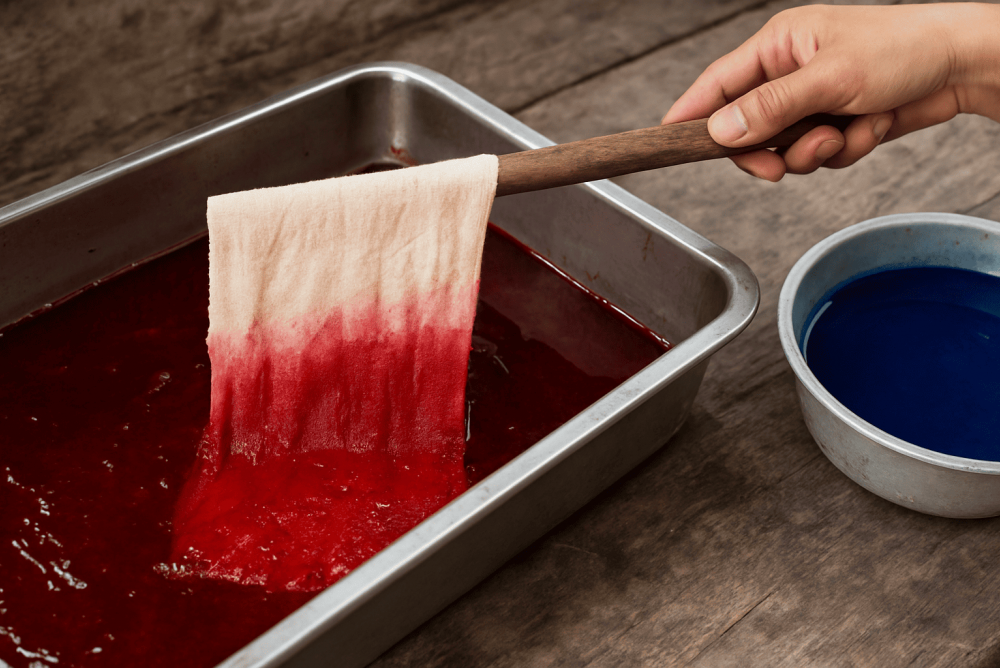

Cotton is one of the most widely used natural fibers in the textile industry. Its softness, comfort, and breathability make it a preferred choice for apparel, home textiles, and industrial fabrics. Yet, the inherent whiteness or dull natural color of raw cotton requires enhancement to meet consumer demand for vibrant and durable shades. Dyeing provides that transformation, turning plain fiber into a marketable, attractive product.
Among the various classes of dyes used on cotton, direct dyes occupy a unique place. They were first discovered in the late 19th century and quickly became popular due to their simple application. Unlike vat dyes or reactive dyes, direct dyes can be applied in an aqueous solution with relative ease, without the need for complex chemical reactions. They adhere to cotton fibers primarily through hydrogen bonding and van der Waals forces, creating a direct affinity between dye molecules and cellulose.
Today, the use of direct dyes continues in industries where medium wash fastness and economical processing are valued. For example, they are widely used in producing table linens, curtains, bed sheets, and low-cost apparel. A 2023 market report estimated that over 20% of cotton fabrics dyed globally still rely on direct dyes, particularly in developing textile economies such as India, Bangladesh, and Pakistan.
However, despite their convenience, direct dyes face challenges. Their wash fastness is generally lower compared to reactive dyes, which limits their use in high-end garments. Environmental concerns also add pressure, as dye effluents often contain high levels of color and salt that must be treated before discharge. This dual nature—simplicity of application versus performance limitations—makes them an important but carefully chosen option in modern textile production.
The study of direct dyeing on cotton is not only about color but also about sustainability, cost-efficiency, and consumer expectations. Understanding the science, process parameters, and future innovations around direct dyes helps textile professionals balance production needs with environmental responsibility.
Understanding Direct Dyes: Composition and Properties
Direct dyes are water-soluble, anionic colorants primarily used on cellulosic fibers like cotton, rayon, and linen. Their name reflects their direct application method: they can be applied to cotton in an aqueous solution without requiring mordants or binders. This simplicity is one of the key reasons they remain relevant, particularly for cost-sensitive markets.
Chemical Composition
Most direct dyes belong to the azo dye family, characterized by one or more azo groups (-N=N-) linking aromatic structures. These aromatic rings often carry sulfonic acid groups, which enhance solubility in water. Depending on the molecular size and number of azo groups, direct dyes range from monoazo to polyazo structures.
For example:
Congo Red (discovered in 1884) was one of the first direct dyes, with a diazo structure and excellent affinity for cotton.
Modern commercial dyes like Direct Blue 1 or Direct Red 28 feature multiple azo linkages, offering bright shades and improved fastness compared to early formulations.
Dye-Fiber Interaction
The bond between cotton and direct dyes is physical rather than chemical. Cotton consists of cellulose chains, which contain numerous hydroxyl groups (-OH). Direct dyes attach to these chains through:
Hydrogen bonding between dye sulfonic groups and cellulose hydroxyls.
Van der Waals forces that provide additional stabilization.
Planar molecular structure, which allows stacking interactions between dye molecules and cellulose chains.
Because these bonds are not covalent, they are weaker compared to the fiber-dye bonds formed by reactive dyes. This explains the limited wash fastness of direct dyes.
Properties of Direct Dyes
Direct dyes exhibit several characteristics that determine their use in textile production:
Water solubility – Their sulfonic groups enable easy dissolution, making application straightforward.
Shade range – They provide a broad spectrum of hues, from bright reds and yellows to deep blues and blacks.
Substantivity – Direct dyes have high substantivity for cotton, meaning they are strongly attracted to the fiber surface.
Leveling ability – Many direct dyes migrate well during dyeing, allowing uniform coloration.
Fastness properties – Light fastness is moderate to good, but wash fastness remains relatively poor without after-treatment.
Classification of Direct Dyes
For industrial purposes, direct dyes are classified into three groups based on their dyeing behavior:
Self-leveling direct dyes – These have low substantivity and migrate easily, producing uniform shades but requiring longer dyeing times.
Salt-controllable direct dyes – Their substantivity can be regulated by adjusting salt concentration in the dye bath.
Temperature-controllable direct dyes – Their migration and fixation are influenced by temperature changes during dyeing.
This classification helps dye houses choose the right dye depending on fabric quality, machinery, and production goals.
Industrial Relevance
A 2022 study in the Journal of Textile Science & Engineering reported that direct dyes account for nearly 25% of dyes used in cotton finishing in South Asia. Their low cost and simple processing make them especially appealing for bulk production of home textiles, school uniforms, and inexpensive garments. While high-performance sectors increasingly prefer reactive dyes, direct dyes remain important in markets where affordability and speed outweigh long-term durability.
Preparation of Cotton for Dyeing
Cotton, as a natural fiber, contains more than just cellulose. When it comes from the spinning or weaving stage, fabric typically carries impurities such as waxes, pectins, seed husk particles, and natural oils. In addition, processing chemicals like lubricants and sizing agents are often present. These impurities can interfere with dye uptake, leading to uneven shades and poor fastness.
Proper preparation is, therefore, a critical first step before cotton fabric can be dyed with direct dyes. The sequence usually involves desizing, scouring, and bleaching, followed by optional mercerization depending on the end-use requirements.
1. Desizing
During weaving, cotton yarns are often coated with sizing agents like starch or polyvinyl alcohol to strengthen them and reduce breakage. Before dyeing, these must be removed.
Enzymatic desizing uses amylase enzymes to break down starch into soluble sugars that can be washed away.
Oxidative desizing applies chemicals such as sodium persulfate.
Enzymatic desizing is widely preferred today due to its eco-friendliness and lower fiber damage.
2. Scouring
Scouring is the deep cleaning stage that removes natural waxes, oils, and pectins. This step increases fabric absorbency, which is vital for direct dye penetration.
The typical scouring bath contains sodium hydroxide, surfactants, and sequestering agents.
It is performed at high temperatures (95–100°C) for one to two hours.
A study published by the Indian Journal of Fibre & Textile Research in 2021 found that scoured cotton showed 40–50% higher dye uptake compared to unscoured fabric. This proves the importance of removing hydrophobic impurities before coloring.
3. Bleaching
After scouring, cotton often has a yellowish tint due to residual natural pigments. Bleaching removes this coloration, producing a uniform, bright white substrate ideal for dyeing.
Hydrogen peroxide bleaching is the most common method because it is effective and environmentally safer than chlorine-based methods.
Stabilizers like sodium silicate or magnesium salts are added to control the release of oxygen and prevent fiber degradation.
Proper bleaching not only ensures a consistent shade but also enhances the brilliance of lighter hues when dyed with direct dyes.
4. Mercerization (Optional)
Mercerization is a treatment in which cotton is exposed to concentrated sodium hydroxide under tension. This alters the fiber’s crystalline structure, making it:
Stronger and more lustrous.
More receptive to dyes due to swelling of cellulose fibrils.
Able to achieve brighter shades with improved fastness.
Although mercerization increases costs, it is often applied to higher-quality cotton textiles to achieve premium results.
5. Drying and Conditioning
Before dyeing, fabrics must be properly dried and conditioned to a stable moisture content. Excess moisture or uneven drying can cause patchy dyeing results.
Importance of Pretreatment in Direct Dyeing
Without these preparation steps, direct dyes may not penetrate evenly, leading to blotchy appearance and reduced color fastness. Pretreated cotton ensures:
Better dye absorption due to improved wettability.
More uniform shades, even in large production batches.
Reduced chemical waste, since less dye is lost in wash-off processes.
In fact, modern textile mills consider preparation just as important as the dyeing stage itself. A poorly prepared fabric can ruin even the most carefully controlled dye bath.
Dyeing Process: Methods, Parameters, and Best Practices
Direct dyes are popular in textile processing because of their straightforward application. The process requires no complex chemical reactions, yet achieving high-quality, uniform shades depends on careful control of bath composition, temperature, and time.
1. Dyeing Methods
a) Exhaust Dyeing
Exhaust dyeing is the most widely used technique for cotton fabrics with direct dyes.
The fabric is immersed in a dye bath containing dye, electrolyte (usually sodium chloride or sodium sulfate), and water.
Heat and time allow dye molecules to migrate from the solution to the cotton fiber surface, where they are absorbed.
Typical liquor ratios range between 1:20 and 1:40.
Electrolytes are crucial. Cotton fibers and dye molecules both carry negative charges in water, which causes repulsion. Salt reduces this repulsion, helping the dye to be absorbed by the fiber.
b) Continuous Dyeing
Continuous dyeing is preferred for large-scale production where efficiency is key.
The process involves padding fabric through a dye solution, squeezing out excess liquor with rollers, and then drying and fixing.
It is faster and suitable for long runs of uniform shades.
However, continuous dyeing requires precise control. Any uneven liquor pickup can lead to streaks and shade variations.
c) Semi-Continuous (Pad–Batch) Dyeing
This method combines the advantages of padding and batch processing.
Fabric is padded with dye solution, rolled, and left for a specific time to allow dye absorption.
It is slower than continuous dyeing but requires less equipment.
2. Key Parameters in Direct Dyeing
Achieving optimal results depends on adjusting critical parameters:
Salt concentration: Usually 30–60 g/L sodium chloride or sodium sulfate. Too little results in poor dye uptake, while too much may cause unevenness.
Temperature: Dye baths are generally heated to 80–95°C. Higher temperatures increase dye diffusion but can also reduce leveling.
pH: Direct dyes work best in neutral to slightly alkaline conditions (pH 6–8). Extreme alkalinity can hydrolyze dye molecules.
Time: Adequate time (30–60 minutes) ensures complete absorption and migration of dye into fibers.
A study published in Textile Research Journal (2020) showed that maintaining bath pH at 7 and temperature at 90°C produced the best balance of shade depth and levelness for Direct Blue 1 on cotton.
3. After-Treatments
Because direct dyes have moderate wash fastness, after-treatments are often necessary:
Soaping: Fabrics are washed in hot water with soap to remove unfixed dyes.
Fixing agents: Cationic agents such as formaldehyde condensates improve wash fastness by forming insoluble complexes with the dye inside the fiber.
Salt-free rinsing: Multiple rinses ensure that dye bleeding during future washes is minimized.
Some mills also use cross-linking agents that enhance wash fastness, but these may affect fabric handle and softness.
4. Best Practices in Industry
To ensure efficient and eco-friendly direct dyeing, mills adopt several best practices:
Use of high-exhaustion dyes: Newer direct dyes with improved substantivity reduce chemical waste.
Optimized liquor ratios: Lower liquor ratios save water and energy without compromising shade quality.
Process monitoring: Dye houses employ spectrophotometers to check shade reproducibility across batches.
Effluent treatment: Since direct dye baths produce colored wastewater, on-site effluent treatment plants are essential to meet environmental standards.
5. Industrial Example
A textile mill in Gujarat, India reported in 2022 that optimizing salt concentration and reducing liquor ratio from 1:40 to 1:20 lowered water usage by 30% while maintaining shade uniformity. Such process optimization highlights how direct dyeing can be adapted to meet both economic and environmental goals.
Advantages, Limitations, and Environmental Considerations
Direct dyes hold a special place in cotton dyeing because of their ease of use, affordability, and shade versatility. At the same time, their drawbacks—particularly around wash fastness and environmental impact—cannot be overlooked. A balanced understanding of both aspects is essential for decision-making in textile production.
1. Advantages of Direct Dyes
a) Simple Application
Direct dyes can be applied directly from an aqueous bath without complex chemical reactions or mordants. This reduces processing time and makes them ideal for mills without advanced infrastructure.
b) Wide Shade Range
They cover an extensive color spectrum, from bright yellows to deep blacks. This flexibility allows manufacturers to produce diverse product lines using the same dyeing system.
c) Cost-Effectiveness
Direct dyes are generally less expensive than reactive or vat dyes. For mass-market goods like school uniforms, table linens, or budget apparel, this cost advantage is significant.
d) Good Leveling Properties
Many direct dyes migrate well during dyeing, which helps in achieving uniform coloration even with minor process variations.
e) Moderate Light Fastness
While not as durable as vat dyes, many direct dyes offer decent resistance to light exposure, suitable for applications like curtains or upholstery.
2. Limitations of Direct Dyes
a) Poor Wash Fastness
The primary drawback is their low resistance to repeated laundering. Dyes often bleed or fade after several washes, making them unsuitable for premium garments.
b) Lower Wet Fastness
Direct dyes tend to bleed when exposed to sweat, rain, or moisture. This limits their use in sportswear and outdoor textiles.
c) Environmental Concerns
Large amounts of salt are required in the dye bath to drive dye uptake. In regions where effluent treatment is inadequate, this leads to water pollution.
d) Limited Applications
Due to their shortcomings in wash fastness, they are not typically used for high-end apparel, children’s clothing, or textiles where durability is critical.
e) Sensitivity to pH
Some direct dyes are unstable under strongly alkaline or acidic conditions, restricting their compatibility with certain textile finishing processes.
3. Environmental Considerations
Direct dyeing processes contribute significantly to the ecological footprint of the textile sector.
High Salt Load: Each kilogram of cotton dyed with direct dyes can consume 30–60 grams of salt. Untreated discharge increases salinity in freshwater sources, harming aquatic life.
Colored Effluents: Direct dye molecules are resistant to biodegradation. When released untreated, they cause persistent coloration of rivers and streams, blocking sunlight penetration and disrupting aquatic ecosystems.
Chemical Oxygen Demand (COD): Dye effluents often contain high COD, leading to oxygen depletion in receiving waters.
A 2021 study by the International Journal of Environmental Science & Technology reported that effluents from direct dyeing operations accounted for up to 20% of total dye-related water pollution in South Asia.
4. Mitigation Strategies
The textile industry is adopting several approaches to reduce the environmental burden of direct dyes:
Effluent Treatment Plants (ETPs): Installation of biological and chemical treatment units helps in removing color and reducing COD.
Salt Substitution: Research into alternative electrolytes, such as biodegradable organic salts, shows promising results in reducing pollution load.
Low-Salt Direct Dyes: Manufacturers have introduced new dye ranges with improved fiber affinity, cutting salt requirements by 20–30%.
Process Optimization: Shorter liquor ratios and closed-loop water systems reduce both water consumption and pollutant discharge.
5. Industrial Perspective
Despite their challenges, direct dyes remain relevant in textile markets where low cost and quick turnaround are critical. Manufacturers often use them for domestic fabrics, home textiles, and export products where wash durability is not the primary requirement. However, global environmental regulations and consumer demand for sustainable textiles are pushing mills to rethink their use and explore greener alternatives.
Future Directions and Innovations in Direct Dyeing
The textile industry is under increasing pressure to balance cost, performance, and sustainability. Direct dyes, once valued mainly for their simplicity, are now being reexamined through the lens of technological advancement and environmental responsibility. Emerging innovations are reshaping how they are applied and how their drawbacks are addressed.
1. Development of Low-Salt Direct Dyes
One of the biggest concerns with direct dyes is the heavy use of salt in dye baths. To address this, manufacturers have introduced low-salt or salt-free direct dyes. These dyes are chemically modified to have higher fiber affinity, reducing or even eliminating the need for electrolytes.
A 2022 report by Dyes & Pigments Journal highlighted that some low-salt formulations reduced salt usage by up to 50% without compromising shade depth.
These innovations help mills cut both costs and environmental load, making direct dyes more viable in regulated markets.
2. Nano-Encapsulation Technology
Researchers are exploring the use of nano-encapsulation, where dye molecules are enclosed in nano-sized carriers. These carriers enhance dye penetration into cotton fibers, improving wash fastness.
Laboratory tests have shown a 20–30% increase in fastness compared to conventional direct dyes.
Although still in pilot stages, this technology could revolutionize how direct dyes are perceived in high-performance textiles.
3. Digital Dyeing and Smart Application Systems
The rise of digital textile printing is creating opportunities for direct dyes as cost-effective inks for cotton fabrics. Direct dyes formulated as digital inks provide vibrant colors while maintaining the affordability advantage.
Smart dosing systems also allow precise control of dye, salt, and auxiliaries, reducing waste and ensuring reproducible shades.
4. Sustainable Processing Practices
To align with global sustainability goals, textile mills are adopting:
Closed-loop water systems to recycle dye baths.
Ozonation and advanced oxidation processes to treat dye effluents more effectively.
Biodegradable auxiliaries to replace harsh chemicals in dyeing baths.
These changes not only reduce environmental impact but also help companies comply with international certifications such as OEKO-TEX® and ZDHC (Zero Discharge of Hazardous Chemicals).
5. Market Trends and Shifting Roles
While reactive dyes dominate premium cotton markets, direct dyes are carving out a niche in fast fashion, domestic textiles, and cost-driven exports. According to a 2023 industry report by Textile World, direct dyes are expected to maintain a stable global market share of 15–20% through 2030, particularly in regions with large-scale cotton consumption such as India, Bangladesh, and Africa.
At the same time, brands committed to sustainability are pressuring suppliers to adopt greener dyeing methods. This push may accelerate innovation in direct dyes, transforming them from “low-cost workhorses” to eco-friendly solutions for mass markets.
6. Future Outlook
The future of direct dyeing on cotton will likely be shaped by:
Enhanced formulations that combine affordability with higher fastness.
Integration with smart textile technology, where dyes interact with functional finishes for UV protection or antibacterial properties.
Global regulations, which may phase out older dye types and favor eco-certified alternatives.
In short, direct dyes are evolving. Their role may not be as dominant as in the early 20th century, but with innovation, they remain a relevant and adaptable option in the modern textile ecosystem.
Conclusion
Dyeing cotton with direct dyes offers a fascinating balance of history, practicality, and ongoing innovation. From their discovery in the late 19th century to their role in today’s global textile economy, direct dyes have shaped the way fabrics are colored and marketed.
While they face challenges in wash fastness and environmental impact, advances in dye chemistry, sustainable processing, and digital applications are breathing new life into this dye class. For mills and brands that value affordability, versatility, and process simplicity, direct dyes remain indispensable. At the same time, research-driven improvements ensure they can continue contributing to a textile industry that is both competitive and responsible.
As the world moves toward greener production models, direct dyes stand at a crossroads. With innovation, they may well continue to serve as a bridge between cost efficiency and sustainability in the global cotton dyeing industry.




-500x500.jpg "Summer Boys' Leisure Print Set Colorful Sports Suit")
-500x500.jpg "Summer Boys' Tank Top Shorts Sports Set")
-500x500.jpg "Summer hollow-knit short-sleeved jumpsuit")
-500x500.jpg "Summer cute cartoon short sleeved climbing suit")
-500x500.jpg "Summer Square Neck Lace Fly Sleeves Baby Rompers")